Text messages have become the primary way we communicate, yet they’re also one of the easiest ways to get confused. A short reply, a random emoji, or a mysterious abbreviation can completely change how a message feels. That’s why decoding text messages is now an essential skill in the digital age.
Have you ever wondered:
- What does “K” really mean?
- Why did they use that emoji?
- Is this reply friendly, cold, or flirty?
You’re not alone. This comprehensive guide will help you decode text messages, understand modern slang, interpret emojis, avoid misunderstandings, and respond with confidence.
Why Decoding Text Messages Matters
Texting lacks tone of voice, facial expressions, and body language. Because of that, a single word or symbol can be interpreted in multiple ways.
Understanding text messages helps you:
- Avoid unnecessary misunderstandings
- Read emotional cues correctly
- Communicate more clearly
- Improve relationships (personal and professional)
- Respond appropriately and confidently
In short, better decoding = better communication.
How Text Messaging Changed Communication
Texting has evolved rapidly:
- Early SMS: Short, direct, practical
- Smartphones: Emojis, GIFs, abbreviations
- Social media DMs: Casual, expressive, fast-paced
Today’s messages are:
- Shorter
- More symbolic
- Emotion-driven
- Context-dependent
That’s why decoding text messages isn’t about words alone—it’s about patterns, timing, tone, and symbols.
Common Types of Text Messages and What They Mean
Let’s break down the most common message styles and how to interpret them.
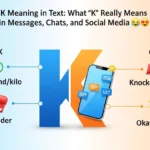
1. Short Replies (Yes, No, K, OK)
Short replies often cause the most confusion.
Examples & Possible Meanings:
- “K”
- Neutral acknowledgment
- Can feel cold or annoyed depending on context
- “Ok”
- Polite, neutral
- “Okayyy”
- Playful, teasing, or excited
- “Yes.”
- Direct, possibly serious
💡 Context tip: Compare it to how the person usually texts.
2. Delayed Replies
A late reply doesn’t always mean disinterest.
Possible reasons:
- Busy or working
- Forgot to reply
- Doesn’t want to rush a response
- Overthinking what to say
🚫 Don’t overanalyze a single delayed message—look for patterns instead.
3. One-Word Texts
Examples:
- “Fine”
- “Sure”
- “Whatever”
These can mean:
- Neutral agreement
- Emotional distance
- Passive frustration
🧠 Tone is everything. Ask a follow-up if unsure.
Decoding Text Message Abbreviations
Text abbreviations are everywhere. Here are some commonly used ones and their meanings:
| Abbreviation | Meaning |
|---|---|
| LOL | Laughing out loud |
| BRB | Be right back |
| IDK | I don’t know |
| TBH | To be honest |
| IMO | In my opinion |
| OTG | On the go |
| RN | Right now |
| SMH | Shaking my head |
📌 Important: The same abbreviation can feel friendly or rude depending on how it’s used.
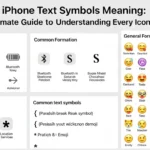
Decoding Emojis in Text Messages
Emojis are emotional shortcuts—but they’re also easy to misread.
Popular Emojis and Their Hidden Meanings
😊 Smiling Face
- Friendly
- Polite
- Sometimes passive-aggressive in serious conversations
😂 Face with Tears of Joy
- Genuine laughter
- Sometimes used to soften awkward moments
❤️ Red Heart
- Love, affection
- Strong emotional connection
👍 Thumbs Up
- Approval
- Can feel dismissive in serious chats
😐 Neutral Face
- Unimpressed
- Emotionally distant
🔥 Fire
- Attraction
- Approval
- Something impressive
💡 Rule: Emojis amplify emotion—they rarely stand alone.
Punctuation in Text Messages: What It Really Signals
Yes, punctuation matters more than you think.
Periods (.)
- “Okay.” feels more serious than “Okay”
- Can signal finality or formality
Ellipses (…)
- Suspense
- Hesitation
- Passive aggression (sometimes)
Exclamation Points (!)
- Excitement
- Enthusiasm
- Friendliness
Compare:
- “Thanks.”
- “Thanks!”
Same word, totally different vibe.
Capital Letters and Their Meaning
- ALL CAPS = shouting or strong emotion
- No caps = casual, relaxed
- Random caps = playful or sarcastic
Example:
- “Fine.”
- “FINE.”
- “fineee”
Each sends a different message.
Decoding Emotional Subtext in Messages
Often, what’s not said matters more than what is.
Look for:
- Shortened responses
- Lack of emojis where there were many before
- Change in reply speed
- Shift in tone
These may signal:
- Stress
- Disinterest
- Emotional distance
- Mood changes
⚠️ Avoid assumptions—clarity beats guessing.
Misunderstandings Caused by Text Messages
Common reasons texts get misread:
- No tone or facial cues
- Cultural differences
- Generational texting styles
- Emotional state of the reader
That’s why decoding text messages requires empathy, not paranoia.
How to Respond When a Text Is Confusing
If a message feels unclear:
✅ Do:
- Ask a gentle follow-up
- Clarify instead of assuming
- Match their tone
- Stay calm
❌ Don’t:
- Jump to conclusions
- Send passive-aggressive replies
- Overanalyze one message
Example response:
“Hey, just checking—did you mean that seriously or jokingly?”
Simple, respectful, effective.
Decoding Text Messages in Relationships
Texting plays a huge role in modern relationships.
Signs to notice:
- Consistent engagement = interest
- Short, dry replies = possible distance
- Emojis + questions = emotional investment
❤️ Healthy texting involves:
- Clarity
- Balance
- Respect
If texts constantly confuse you, a real conversation may be needed.
Professional vs Casual Text Decoding
Casual Texts:
- Emojis are normal
- Abbreviations are fine
- Tone is relaxed
Professional Texts:
- Fewer emojis
- Clear language
- Proper punctuation
Misreading professional texts can lead to unnecessary stress—assume neutrality unless stated otherwise.
Generational Differences in Text Messaging
- Gen Z: Emojis, slang, irony
- Millennials: Mixed style
- Gen X: Direct, fewer emojis
- Boomers: Formal, full sentences
Same message, different interpretation depending on age group.
FAQs About Decoding Text Messages
1. Why do texts feel colder than real conversations?
Because text lacks tone, body language, and facial expressions.
2. Does a short reply mean someone is mad?
Not always. Context and patterns matter more than message length.
3. Are emojis always positive?
No. Some emojis can be sarcastic or passive-aggressive depending on usage.
4. Should I overthink punctuation in texts?
Notice it—but don’t obsess. Consistency is key.
5. How can I avoid being misunderstood in texts?
Be clear, use emojis thoughtfully, and ask for clarification when needed.
6. Is texting a reliable way to understand emotions?
Only partially. For serious topics, voice or face-to-face is better.
Conclusion
Decoding text messages isn’t about guessing—it’s about context, patterns, and emotional intelligence. Words, emojis, timing, and tone all work together to create meaning.
Final tips:
- Don’t assume—clarify
- Look for patterns, not single messages
- Match tone and energy
- When in doubt, communicate directly
In a world ruled by screens, learning to decode text messages helps you connect better, misunderstand less, and communicate with confidence.