In today’s fast-paced digital world, abbreviations and slang dominate how we communicate. One of the most common terms you’ll see in texts, chats, and social media is “NVM.” But what exactly does it mean, and how should you use it?
In this complete guide, we’ll break down the NVM meaning, explore its origins, show real-life examples, and explain when (and when not) to use it. Whether you’re new to texting slang or just want to stay updated, this article has everything you need.
What Does NVM Mean?
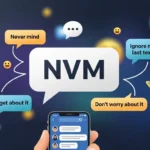
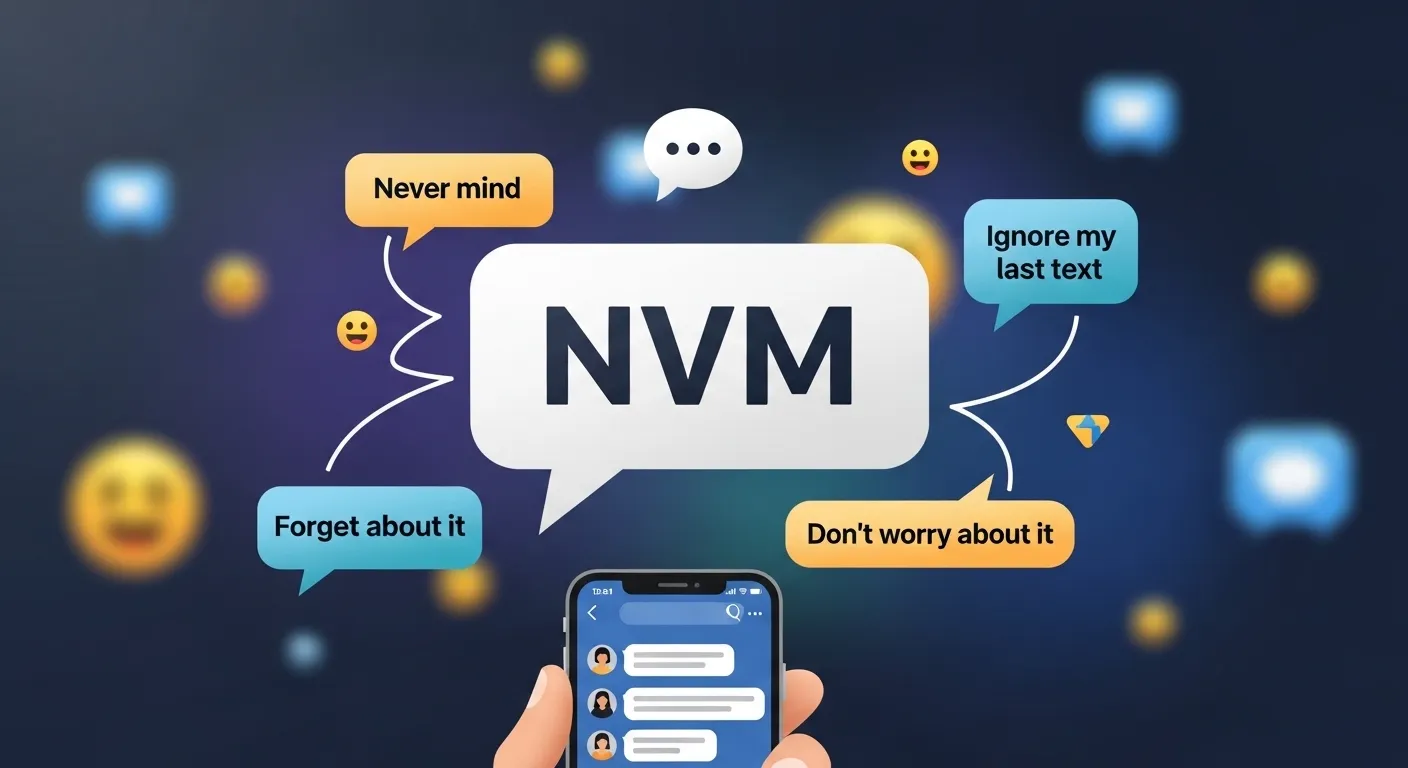
NVM stands for “Never Mind.”
It’s a quick, informal way of telling someone to:
- Ignore what you just said
- Drop the topic
- Not worry about something anymore
Simple Definition:
NVM = Never Mind = Forget it / It’s not important anymore
Why Is NVM So Popular?
The rise of texting, messaging apps, and social media has made short forms like NVM extremely popular.
Reasons people use NVM:
- ⏱️ Saves time while typing
- 📱 Fits fast-paced conversations
- 💬 Keeps chats casual and informal
- 😅 Helps quickly correct mistakes
In short, it’s all about speed, convenience, and simplicity.
How Is NVM Used in Conversations?
NVM is usually used when someone:
- Changes their mind
- Realizes something on their own
- Wants to cancel a question or statement
Example Conversations:
Example 1:
Person A: “Hey, what’s the homework?”
Person B: “Page 45.”
Person A: “Oh wait, I found it. NVM.”
Example 2:
“Can you send me the file? … NVM, I just got it.”
Example 3:
“NVM, it’s not important anymore.”
Different Contexts Where NVM Is Used
1. Text Messaging 📱
The most common place to see NVM.
Example:
- “NVM, I figured it out.”
2. Social Media 💬
Used in comments, DMs, or replies.
Example:
- “NVM, ignore my last comment 😂”
3. Gaming Chats 🎮
Gamers often use NVM during fast communication.
Example:
- “Need help here—NVM, I’m good!”
4. Work Chats (Informal Only) 💼
Sometimes used in casual workplace conversations.
Example:
- “NVM, I solved the issue.”
⚠️ Tip: Avoid using it in formal emails or professional settings.
Tone and Meaning Variations of NVM
Depending on context, NVM can have different tones:
| Tone | Meaning | Example |
|---|---|---|
| Neutral | Forget what I said | “NVM, it’s okay.” |
| Casual | No worries | “NVM, got it 👍” |
| Slightly annoyed | Drop it | “NVM.” |
| Embarrassed | Ignore my mistake | “Oops NVM 😅” |
When Should You Use NVM?
✔️ Appropriate Situations:
- You found the answer yourself
- Your question is no longer relevant
- You made a small mistake
- Casual conversations with friends
❌ Avoid Using NVM When:
- In formal emails or business communication
- Talking to someone who may not understand slang
- The message could sound rude or dismissive
NVM vs Other Similar Slang
There are many abbreviations similar to NVM. Here’s how they compare:
| Slang | Meaning | When to Use |
|---|---|---|
| NVM | Never mind | Cancel or ignore something |
| IDC | I don’t care | Show indifference |
| JK | Just kidding | Clarify a joke |
| BRB | Be right back | Leaving temporarily |
| IMO | In my opinion | Sharing thoughts |
Alternatives to NVM
If you want to sound clearer or more polite, you can use:
Casual Alternatives:
- “It’s okay now”
- “I figured it out”
- “No worries”
- “Forget it”
Professional Alternatives:
- “Please disregard my previous message”
- “I’ve resolved the issue”
- “No further action is needed”
Origin of NVM
NVM emerged alongside early internet chat culture in the late 1990s and early 2000s.
Key milestones:
- 💻 Chat rooms (AOL, MSN Messenger)
- 📱 SMS texting era
- 🌐 Social media platforms
As communication became faster, abbreviations like NVM became essential.
Common Misunderstandings About NVM
1. It Can Sound Rude
Sometimes “NVM” may come across as dismissive.
Example:
- “NVM.” (can sound cold)
👉 Better:
- “NVM, it’s okay 😊”
2. Not Everyone Understands It
Older users or non-native speakers may not know the meaning.
3. Overuse Can Reduce Clarity
Using too many abbreviations can confuse conversations.
Real-Life Use Cases
Scenario 1: Student Chat
“What’s the assignment? NVM, found it.”
Scenario 2: Workplace Slack Message
“Can you review this? NVM, I updated it already.”
Scenario 3: Social Media Comment
“Wait, what happened? NVM, just saw the post.”
Is NVM Rude or Polite?
It depends on how you use it.
Polite Usage:
- “NVM, thanks anyway!”
- “NVM 😊”
Rude Usage:
- “NVM.” (no context, abrupt)
👉 Tip: Add emojis or extra words to soften the tone.
NVM in Different Cultures and Platforms
While NVM is widely understood globally, usage varies:
- 🌍 Global Use: Common in English-speaking regions
- 📱 Gen Z & Millennials: Use it frequently
- 💼 Professional Settings: Less common
Quick Summary Table
| Term | Full Form | Meaning |
|---|---|---|
| NVM | Never Mind | Ignore or forget something |
| Usage | Informal | Texts, chats, social media |
| Tone | Context-based | Neutral to slightly rude |
FAQs About NVM Meaning
1. What does NVM mean in texting?
NVM means “Never Mind.” It’s used to tell someone to ignore a previous message or that something is no longer important.
2. Is NVM rude to use?
Not always. It depends on tone. Adding polite words or emojis makes it friendlier.
3. Can I use NVM in professional emails?
No, it’s better to use formal alternatives like:
- “Please disregard my previous message”
4. What is the difference between NVM and NM?
- NVM: Never mind
- NM: Not much
5. Is NVM used worldwide?
Yes, especially in English-speaking online communities, though not everyone may understand it.
6. What are some alternatives to NVM?
- “Forget it”
- “It’s okay now”
- “No worries”
7. Why do people use NVM instead of typing “never mind”?
Because it’s faster, easier, and fits the style of quick digital communication.
Conclusion: Why Understanding NVM Matters
The NVM meaning may seem simple, but it plays a big role in modern communication. It helps keep conversations quick, casual, and efficient—but it also requires awareness of tone and context.
Key Takeaways:
- ✅ NVM stands for Never Mind
- ✅ It’s widely used in texting and online chats
- ✅ Tone matters—can be polite or rude depending on usage
- ✅ Avoid using it in formal communication
Actionable Tips:
- Use NVM in casual conversations only
- Add context or emojis to avoid sounding rude
- Switch to full phrases in professional settings
Understanding small terms like NVM can make a big difference in how clearly and effectively you communicate online. So next time you type “NVM,” you’ll know exactly what it means—and how to use it the right way!