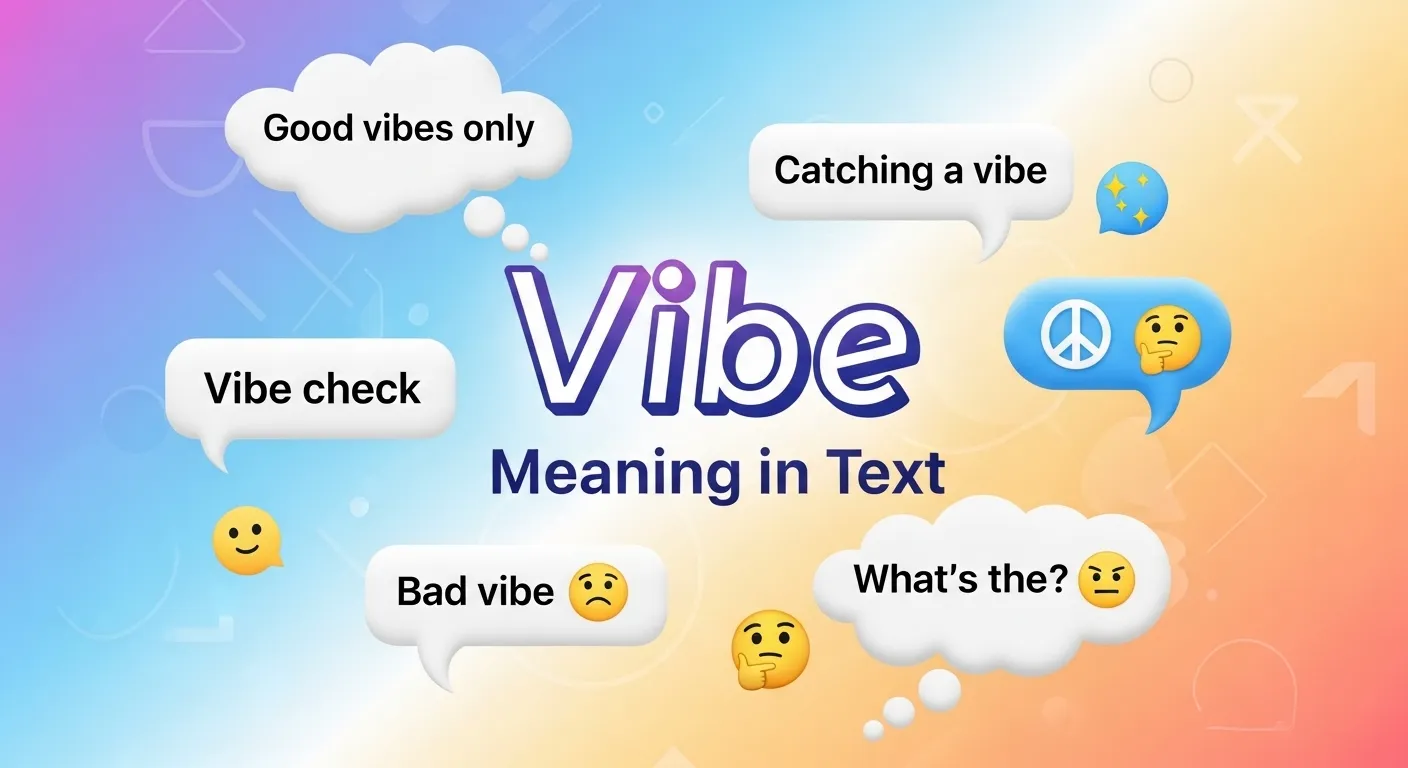
In today’s world of texting, memes, TikTok trends, and online conversations, slang changes fast. One word that has become incredibly popular across social media and texting culture is “vibe.”
But what exactly does vibe meaning in text actually mean?
The word “vibe” has evolved from a simple slang expression into a major part of modern online communication. It can describe a person’s energy, mood, atmosphere, personality, or even the emotional feeling of a conversation. Whether you’re chatting on Snapchat, Instagram, TikTok, Discord, or texting friends, understanding the meaning of “vibe” helps you better connect with modern internet culture.
In this guide, we’ll break down the meaning of vibe in text, where it came from, how people use it online, examples in conversations, popular slang phrases, and common misunderstandings. By the end, you’ll fully understand why this small word has become such a huge trend in digital communication.
What Does “Vibe” Mean in Text?
The term “vibe” in text usually refers to a feeling, energy, mood, or atmosphere someone gets from a person, situation, place, song, or conversation.
Simple Definition
Vibe = emotional feeling or energy someone gives off
When people use “vibe” in texting or social media, they are often talking about:
- A person’s personality or aura
- The mood of a conversation
- The emotional atmosphere
- A style or aesthetic
- Positive or negative energy
For example:
| Text Message | Meaning |
|---|---|
| “I like your vibe.” | I like your energy/personality. |
| “This song is a vibe.” | This song creates a great mood. |
| “Bad vibes today.” | Negative feelings or energy. |
| “You pass the vibe check.” | You seem cool or trustworthy. |
The word is flexible, which is one reason it became so popular online.
The Origin of the Word “Vibe”
The slang term “vibe” comes from the word “vibration.”
Originally, “vibrations” referred to emotional or spiritual energy. During the 1960s and 1970s, people used phrases like:
- “Good vibrations”
- “Positive vibes”
- “Bad vibes”
Over time, internet culture shortened “vibrations” into “vibes” and then further into simply “vibe.”
Today, the word is deeply connected to:
- Social media culture
- Internet slang
- Gen Z communication
- Meme culture
- Aesthetic trends
The rise of TikTok and Instagram made the term even more mainstream.
Why “Vibe” Became So Popular Online
The reason “vibe” exploded in popularity is simple: it describes emotions quickly and casually.
Instead of saying:
“This conversation makes me feel comfortable and relaxed.”
People now say:
“The vibe is good.”
It’s short, expressive, and modern.
Reasons the Word “Vibe” Trends Online
1. It’s Easy to Use
One word can describe many emotions.
2. It Fits Social Media Culture
Apps like TikTok and Instagram focus heavily on mood and aesthetics.
3. It Sounds Casual and Friendly
The word feels relaxed and conversational.
4. It Works in Many Situations
You can use it for:
- Music
- People
- Relationships
- Fashion
- Conversations
- Events
- Photos
- Places
Different Meanings of “Vibe” in Texting
The meaning of “vibe” changes slightly depending on context.
1. Vibe as Personality
Sometimes “vibe” refers to the energy someone gives off.
Example:
“She has such a calm vibe.”
Meaning:
She seems peaceful and relaxed.
2. Vibe as Mood
It can describe emotional atmosphere.
Example:
“This café has a cozy vibe.”
Meaning:
The place feels warm and comfortable.
3. Vibe as Attraction
People sometimes use “vibe” when they feel emotionally connected.
Example:
“We really vibed together.”
Meaning:
We connected naturally.
4. Vibe as Style or Aesthetic
Online, “vibe” can describe visual appearance.
Example:
“Your outfit is a whole vibe.”
Meaning:
Your outfit has an amazing style or aesthetic.
5. Vibe as Emotional Intuition
Sometimes people use it to describe instinctive feelings.
Example:
“I got weird vibes from him.”
Meaning:
I sensed something strange or uncomfortable.
Common “Vibe” Phrases in Text and Social Media
The internet created many popular phrases using “vibe.”
Good Vibes
Means positive energy or happy feelings.
Example:
“Only good vibes today.”
Bad Vibes
Means negative energy or uncomfortable feelings.
Example:
“That conversation gave me bad vibes.”
Vibing
Means enjoying the moment or connecting emotionally.
Example:
“I’m just vibing.”
Meaning:
Relaxing and enjoying life.
Vibe Check
A humorous internet phrase used to judge someone’s mood or energy.
Example:
“You passed the vibe check.”
Meaning:
You seem cool, positive, or trustworthy.
Immaculate Vibes
Means extremely positive energy or atmosphere.
Example:
“This playlist has immaculate vibes.”
Killing the Vibe
Means ruining the mood.
Example:
“Don’t kill the vibe.”
Examples of “Vibe” in Real Text Conversations
Understanding examples makes slang easier to learn.
Example 1: Friendly Conversation
Person A: “Do you like the new café downtown?”
Person B: “Yeah, the vibe there is amazing.”
Meaning:
The atmosphere feels enjoyable.
Example 2: Romantic Context
Person A: “How was your date?”
Person B: “We totally vibed.”
Meaning:
They connected naturally.
Example 3: Social Media Comment
“This picture is such a vibe.”
Meaning:
The photo creates a cool mood or aesthetic.
Example 4: Negative Feeling
“I got bad vibes from that situation.”
Meaning:
Something felt wrong or uncomfortable.
“Vibe” Meaning on Different Social Media Platforms
The word changes slightly depending on where it’s used.
TikTok
On TikTok, “vibe” usually refers to:
- Aesthetic
- Mood
- Lifestyle energy
- Relaxed feelings
Example:
“Late-night driving vibes.”
On Instagram, “vibe” often describes:
- Visual style
- Photography mood
- Fashion energy
Example:
“Summer vibes.”
Snapchat
On Snapchat, it usually relates to:
- Personal energy
- Friendships
- Flirting
Example:
“You seem like a good vibe.”
Twitter/X
On Twitter, “vibe” is often used humorously or ironically.
Example:
“This meeting has terrible vibes.”
Is “Vibe” Positive or Negative?
“Vibe” can be either positive or negative depending on context.
| Phrase | Meaning |
|---|---|
| Good vibe | Positive feeling |
| Chill vibe | Relaxed mood |
| Weird vibe | Strange feeling |
| Bad vibe | Negative energy |
| Romantic vibe | Flirty atmosphere |
The surrounding words determine the meaning.
What Does “You’re a Vibe” Mean?
This is one of the most popular slang compliments online.
When someone says:
“You’re a vibe.”
They usually mean:
- You’re fun to be around
- You have attractive energy
- Your personality feels unique
- You create a positive atmosphere
It’s generally a strong compliment.
What Does “Vibing” Mean in Text?
“Vibing” means enjoying a feeling, moment, or connection.
Common Uses of Vibing
Relaxing
“Just vibing with music.”
Connecting
“We were vibing instantly.”
Enjoying Life
“Weekend vibes. Just vibing.”
The term often suggests comfort and emotional flow.
Popular Slang Related to “Vibe”
Modern texting slang includes many similar expressions.
Energy
Similar to “vibe,” referring to emotional presence.
Example:
“Her energy is amazing.”
Aura
Refers to a person’s atmosphere or emotional presence.
Example:
“He has a mysterious aura.”
Mood
Describes emotional feeling.
Example:
“This song is a mood.”
Aesthetic
Describes visual style or atmosphere.
Example:
“That room has a cozy aesthetic.”
Generational Use of “Vibe”
Different generations use the term differently.
| Generation | Usage Style |
|---|---|
| Gen Z | Constantly used in memes and texting |
| Millennials | Often use “good vibes” casually |
| Gen X | Less slang-focused usage |
| Older adults | Sometimes unfamiliar with internet meaning |
Gen Z especially turned “vibe” into a central internet slang term.
How to Use “Vibe” Correctly in Text
Using the word naturally is easier than it seems.
Tips for Using “Vibe”
Use It Casually
The word works best in relaxed conversation.
Match the Context
Positive or negative wording changes meaning.
Don’t Overuse It
Too much slang can sound forced.
Natural Examples
- “This playlist is a vibe.”
- “I love the vibe here.”
- “You give off calm vibes.”
- “The party vibe was weird.”
- “We were vibing all night.”
Common Misunderstandings About “Vibe”
Some people misunderstand what “vibe” means online.
Misconception 1: It Only Means Mood
Actually, it can also describe:
- Personality
- Attraction
- Aesthetic
- Social energy
Misconception 2: It’s Always Positive
Not true.
“Bad vibes” and “weird vibes” are very common.
Misconception 3: It’s Just Gen Z Slang
While Gen Z popularized it, many age groups use it today.
Psychological Meaning Behind “Vibes”
Interestingly, the popularity of “vibes” connects to human psychology.
People naturally read:
- Facial expressions
- Tone of voice
- Body language
- Emotional atmosphere
The word “vibe” simplifies these emotional impressions into one easy term.
Example:
If someone feels welcoming and friendly, people may say:
“They have good vibes.”
Even without detailed explanation, others instantly understand the feeling.
Why Brands and Influencers Use the Word “Vibe”
The term has become extremely popular in marketing.
Why Businesses Love It
“Vibe” creates emotional connection.
Brands use phrases like:
- “Summer vibes”
- “Luxury vibes”
- “Cozy vibes”
- “Beach vibes”
It helps sell a mood, not just a product.
“Vibe Check” Explained
One of the internet’s funniest slang trends is the “vibe check.”
What Is a Vibe Check?
A joke or phrase used to evaluate someone’s energy or attitude.
Example:
“You failed the vibe check.”
Meaning:
Your behavior feels awkward, negative, or suspicious.
The phrase became viral through memes and TikTok videos.
Examples of Positive and Negative Vibes
Positive Vibes
- Friendly people
- Relaxing music
- Comfortable environments
- Fun conversations
Text Example:
“This road trip has great vibes.”
Negative Vibes
- Tension
- Awkwardness
- Suspicion
- Toxic behavior
Text Example:
“I’m getting weird vibes from this chat.”
How “Vibe” Changed Internet Communication
The word transformed online communication because it allows people to communicate feelings quickly.
Instead of writing long explanations, users simply say:
- “Not my vibe.”
- “Good vibes only.”
- “This is a whole vibe.”
These phrases instantly communicate emotional reactions.
When NOT to Use “Vibe”
Even though it’s popular, “vibe” may not fit every situation.
Avoid Using It In:
- Formal business emails
- Academic writing
- Professional reports
- Serious legal communication
It works best in casual settings.
Frequently Asked Questions (FAQs)
1. What does “vibe” mean in texting?
In texting, “vibe” usually means a feeling, mood, energy, or atmosphere someone gives off.
2. Is “you’re a vibe” a compliment?
Yes. It usually means someone thinks you are fun, attractive, interesting, or emotionally enjoyable to be around.
3. What does “vibing” mean?
“Vibing” means relaxing, enjoying the moment, or emotionally connecting with something or someone.
4. What does “bad vibes” mean?
“Bad vibes” refers to negative feelings, uncomfortable energy, or emotional tension.
5. What is a “vibe check”?
A “vibe check” is a humorous internet phrase used to judge someone’s mood, energy, or behavior.
6. Is “vibe” Gen Z slang?
It became especially popular with Gen Z, but people of many ages now use it online and in everyday conversation.
7. Can “vibe” refer to music or places?
Absolutely. People often use “vibe” to describe:
- Songs
- Cafés
- Parties
- Rooms
- Fashion
- Social media posts
Conclusion
The phrase “vibe meaning in text” goes far beyond a simple slang word. Today, “vibe” is one of the most widely used expressions in texting, social media, and internet culture. It helps people quickly describe emotions, energy, atmosphere, personality, and aesthetic feelings.
Whether someone says:
- “Good vibes”
- “You’re a vibe”
- “This song is a vibe”
- “We were vibing”
they are usually talking about emotional connection and overall feeling.
Understanding modern slang like “vibe” can help you:
- Communicate more naturally online
- Understand Gen Z internet culture
- Interpret social media language
- Connect better in digital conversations
The next time you see the word “vibe” in a text or TikTok comment, you’ll know exactly what it means — and maybe even start using it yourself.