In today’s digital world, texting has become one of the biggest ways people communicate. Whether you’re chatting with friends, family, coworkers, or someone you’re romantically interested in, texting etiquette matters more than ever. One term you’ve probably heard online or on social media is “double texting.” But what exactly does it mean?
If you’ve ever sent a second message before getting a reply to the first one, congratulations—you’ve probably double texted! But does that automatically make it awkward, desperate, or rude? Not necessarily.
In this complete guide, we’ll explore the double texting meaning, why people do it, when it’s okay, when it becomes problematic, and how to navigate modern texting without overthinking every message.
What Is Double Texting?
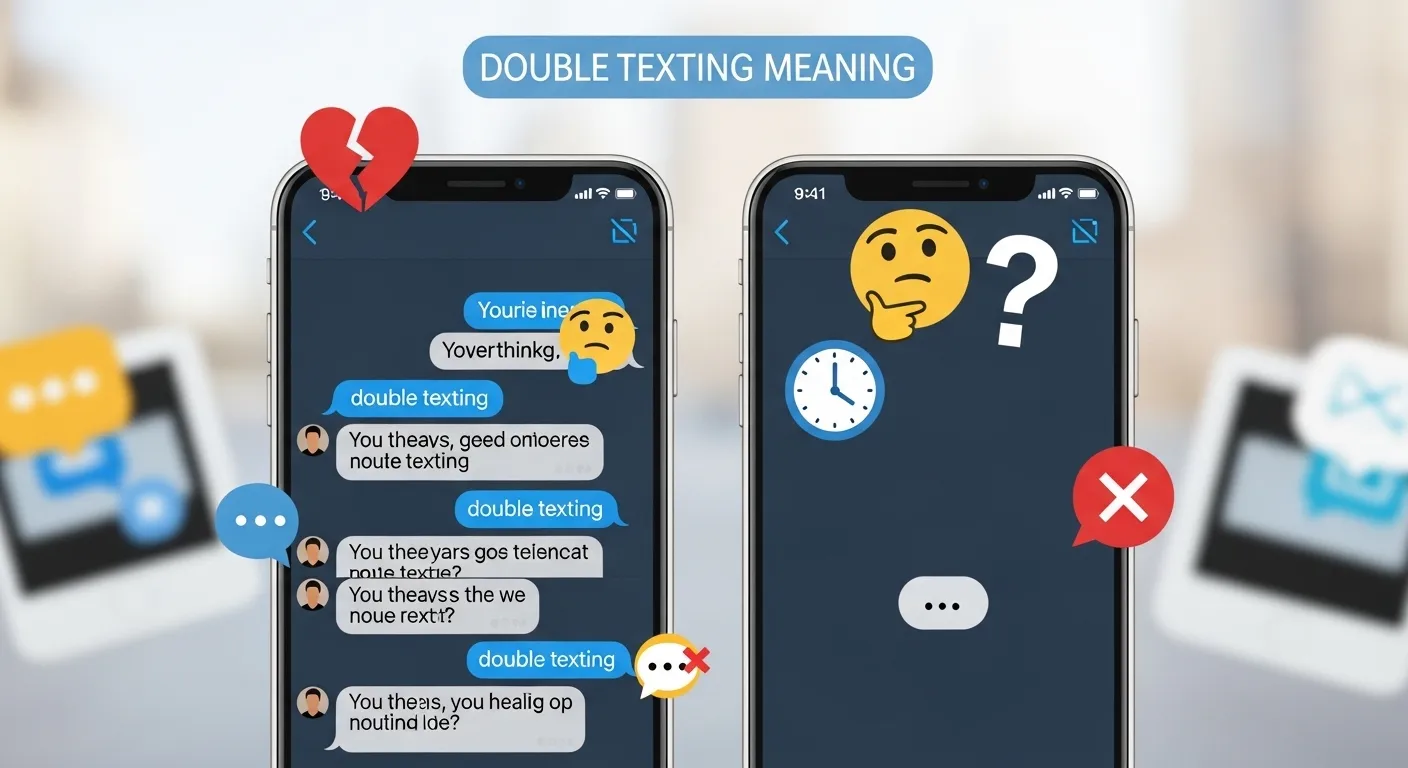
Double texting refers to sending multiple text messages to someone before they respond to your previous message.
In simple terms, if you text someone and then send another message without waiting for a reply, you are double texting.
Example of Double Texting
Message 1:
“Hey, how was your meeting today?”
(No response for a while)
Message 2:
“Also, don’t forget dinner at 8 😊”
This is considered double texting because the second message was sent before receiving a response to the first.
However, not all double texting is bad. Context matters.
The Simple Definition of Double Texting
Here’s an easy definition:
Double texting means sending another text message before the recipient has replied to your previous one.
Sometimes it’s harmless and practical. Other times, excessive double texting may come across as impatient, anxious, or overly persistent.
The meaning often depends on:
- Your relationship with the person
- The tone of the messages
- Timing
- Frequency
- The reason for texting
Why Is Double Texting Such a Big Deal?
Years ago, people called or met in person. Now, texting dominates communication, especially in friendships and dating.
Because texting lacks tone, facial expressions, and body language, people tend to overanalyze digital behavior. Things like:
- How quickly someone replies
- Whether they leave you on read
- How many texts are sent
- Emoji usage
- Message timing
This is why double texting has become a hot topic in modern communication.
For some people, double texting feels normal. For others, it can feel overwhelming.
Is Double Texting Bad?
No—double texting is not automatically bad.
One of the biggest misunderstandings about texting culture is the belief that sending a second text makes someone look “desperate.”
That’s not always true.
Double Texting Is Completely Fine When:
✅ You forgot to add something important
✅ You’re making plans
✅ You have an urgent question
✅ The relationship already involves frequent texting
✅ You’re continuing a natural conversation
Example of Healthy Double Texting
“Can you send me the file?”
“Actually never mind, I found it!”
This is perfectly normal and practical.
When Double Texting Becomes a Problem
Double texting becomes problematic when it turns into spam texting or emotional pressure.
Signs of Unhealthy Double Texting
Here are examples of excessive texting behavior:
“Hey”
“Are you there?”
“Why aren’t you replying?”
“Did I do something wrong?”
“Hello???”
This kind of texting can feel stressful or overwhelming to the other person.
Why It Can Feel Uncomfortable
People may interpret repeated texts as:
- Neediness
- Impatience
- Pressure
- Anxiety
- Emotional dependency
That said, intentions matter. Sometimes people are simply enthusiastic or worried.
The Psychology Behind Double Texting
Why do people double text?
There are many reasons, and most are completely normal.
1. Excitement
Someone is genuinely excited to talk.
Example:
“I just got tickets!”
“You’ll never guess where 😄”
2. Forgetfulness
People remember something important after sending a message.
Example:
“Meet me at the mall.”
“Oh wait—at the north entrance.”
3. Anxiety
Some people worry when they don’t get responses quickly.
They may think:
- “Did I say something wrong?”
- “Are they upset?”
- “Did they lose interest?”
This can lead to repeated messages.
4. Urgency
Sometimes quick communication matters.
Example:
“Where are you?”
“We’re leaving now!”
5. Habitual Communication Style
Some people naturally send short messages instead of long paragraphs.
Example:
“Guess what”
“I got the job!”
“We’re celebrating tonight”
This style may technically count as double texting, but it’s completely normal.
Double Texting in Dating: What Does It Mean?
Double texting often becomes a bigger topic in dating and relationships.
People frequently wonder:
“If I double text, will I look desperate?”
The answer: Not necessarily.
Healthy Double Texting in Dating
It’s okay to send a follow-up message if:
- They may have missed your text
- You’re confirming plans
- Enough time has passed
- The conversation was already positive
Example
“Had fun yesterday 😊”
(One day later)
“Hope your week is going well!”
This feels friendly and natural.
When Double Texting in Dating Can Be a Red Flag
Problems happen when repeated texting becomes one-sided.
Example of Overdoing It
“Hey”
“Are you okay?”
“Did I upset you?”
“You ignoring me?”
“Guess you don’t care.”
This can create emotional pressure and discomfort.
A useful rule:
One follow-up message is usually okay. Ten messages in a row? Probably too much.
Double Texting vs Triple Texting
You may also hear terms like:
Double Texting
Sending two texts without receiving a reply.
Triple Texting
Sending three or more texts before getting a response.
Spam Texting
Sending excessive texts continuously.
Example
“Hey”
“What’s up?”
“You there?”
“Hello?”
“Answer me”
This often feels overwhelming.
Common Misconceptions About Double Texting
There are many myths surrounding texting behavior.
Myth #1: Double Texting Always Looks Desperate
Reality: Sometimes it’s completely normal.
If you forgot information or are making plans, nobody thinks twice.
Myth #2: You Should Wait Hours Before Replying
Some people intentionally delay replies to “look cool.”
Healthy communication usually matters more than texting games.
Myth #3: Fast Replies Mean Someone Is Too Interested
Fast responses simply mean:
- They saw the message
- They had time
- They enjoy talking
It doesn’t automatically mean desperation.
Myth #4: Double Texting Is Always Romantic
Nope.
People double text in:
- Friendships
- Family chats
- Work conversations
- Group planning
Examples of Double Texting in Different Situations
Here are real-life examples to better understand the concept.
1. Friends
“Movie tonight?”
“We’re meeting at 7 btw.”
Normal and practical.
2. Dating
“Had fun with you 😊”
“Let me know if you want to hang out again.”
Friendly and respectful.
3. Work
“Can you review the document?”
“Deadline moved to 5 PM.”
Professional and necessary.
4. Family
“Did you get home safely?”
“Call me when you can.”
Completely normal.
Is Double Texting Rude?
Usually, no.
But tone and timing matter.
It Can Feel Rude If:
- You repeatedly ignore boundaries
- You demand immediate responses
- You guilt-trip someone
Example
“Why are you ignoring me?”
“That’s rude.”
This creates tension.
It’s Not Rude If:
- You politely follow up
- You’re sharing useful information
- You respect their time
How Long Should You Wait Before Double Texting?
There’s no universal rule, but context matters.
Suggested Timing Guide
| Situation | Recommended Time |
|---|---|
| Urgent plans | Immediate follow-up |
| Casual friend chat | Few hours |
| Dating | 1 day or so |
| Work message | Depends on urgency |
| Family emergency | Right away |
Avoid obsessing over “texting rules.” Healthy communication beats internet myths.
Signs You Should Stop Double Texting
Sometimes it’s best to pause.
Warning Signs
🚩 They consistently don’t reply
🚩 You’re always initiating
🚩 You feel anxious every time
🚩 Messages feel one-sided
🚩 They seem uninterested
Healthy relationships involve mutual effort.
How to Double Text Without Making It Awkward
Yes, there’s a good way to do it.
1. Keep It Casual
Instead of:
“Why aren’t you replying?”
Try:
“Hope your day’s going well!”
2. Add Value
Send something meaningful.
Examples:
- Useful information
- Funny meme
- Update on plans
3. Avoid Pressure
Don’t guilt people.
Avoid:
“You clearly don’t care.”
4. Respect Busy Schedules
People may be:
- Working
- Sleeping
- Driving
- Busy with family
- Mentally drained
Delayed replies don’t always mean rejection.
Alternative Terms Related to Double Texting
Here are some similar texting terms you might hear online:
Dry Texting
Short, boring replies.
Example:
“Okay.”
“Lol.”
“K.”
Ghosting
Suddenly disappearing without replying.
Breadcrumbing
Giving occasional attention to keep someone interested.
Left on Read
Someone saw the message but didn’t reply.
Soft Launch Relationship
Subtle relationship hints online without official announcements.
Understanding these terms helps decode modern texting culture.
Social Media and the Rise of Double Texting
Platforms like:
- Snapchat
- Messenger
- TikTok
have changed communication habits.
Features like:
- Read receipts
- Typing indicators
- Active status
can increase anxiety around texting.
People may overthink things like:
“They saw my message 3 hours ago…”
But often, life simply gets busy.
What Experts Say About Double Texting
Communication experts generally agree on one thing:
Healthy communication matters more than rigid texting rules.
Instead of worrying about appearing “too interested,” focus on:
- Respect
- Clarity
- Mutual effort
- Emotional balance
Good communication beats playing mind games.
Double Texting Etiquette: Quick Dos and Don’ts
Do
✔ Be polite
✔ Give people time
✔ Follow up naturally
✔ Respect boundaries
✔ Be genuine
Don’t
✘ Spam messages
✘ Guilt-trip someone
✘ Assume the worst immediately
✘ Overanalyze every delay
✘ Use texting as emotional pressure
Real-Life Example: Healthy vs Unhealthy Double Texting
Healthy
“Still on for coffee tomorrow?”
“Oh and I found that book you mentioned!”
This feels normal.
Unhealthy
“Hello???”
“Are you mad?”
“Answer me.”
“You’re ignoring me.”
This feels emotionally demanding.
FAQs About Double Texting Meaning
1. What does double texting mean?
Double texting means sending another message before the other person replies to your first text.
2. Is double texting bad in dating?
No. It depends on context. A polite follow-up is normal, but repeated messages without responses can feel overwhelming.
3. Does double texting make you look desperate?
Not always. One or two thoughtful follow-up texts are usually fine.
4. How long should I wait before double texting?
There’s no strict rule. It depends on urgency, relationship type, and communication style.
5. Is double texting rude?
Usually no, unless it becomes pushy, demanding, or disrespectful.
6. Why do people double text?
People double text because of excitement, urgency, habit, anxiety, or simply forgetting information.
7. Should I stop texting if someone never replies?
If there’s a pattern of no responses, it may be better to step back and reassess the relationship.
Final Thoughts
The double texting meaning is simple: sending another message before getting a response. But the social meaning is more nuanced.
Double texting is not automatically bad, rude, or desperate. In many situations, it’s practical, friendly, and completely normal. What matters most is context, timing, and respect.
If you double text occasionally, don’t panic—it happens to almost everyone. Focus less on outdated texting “rules” and more on healthy communication.
The best approach?
Be respectful, be genuine, and avoid overthinking every unread message. In the end, good communication matters far more than counting text bubbles.