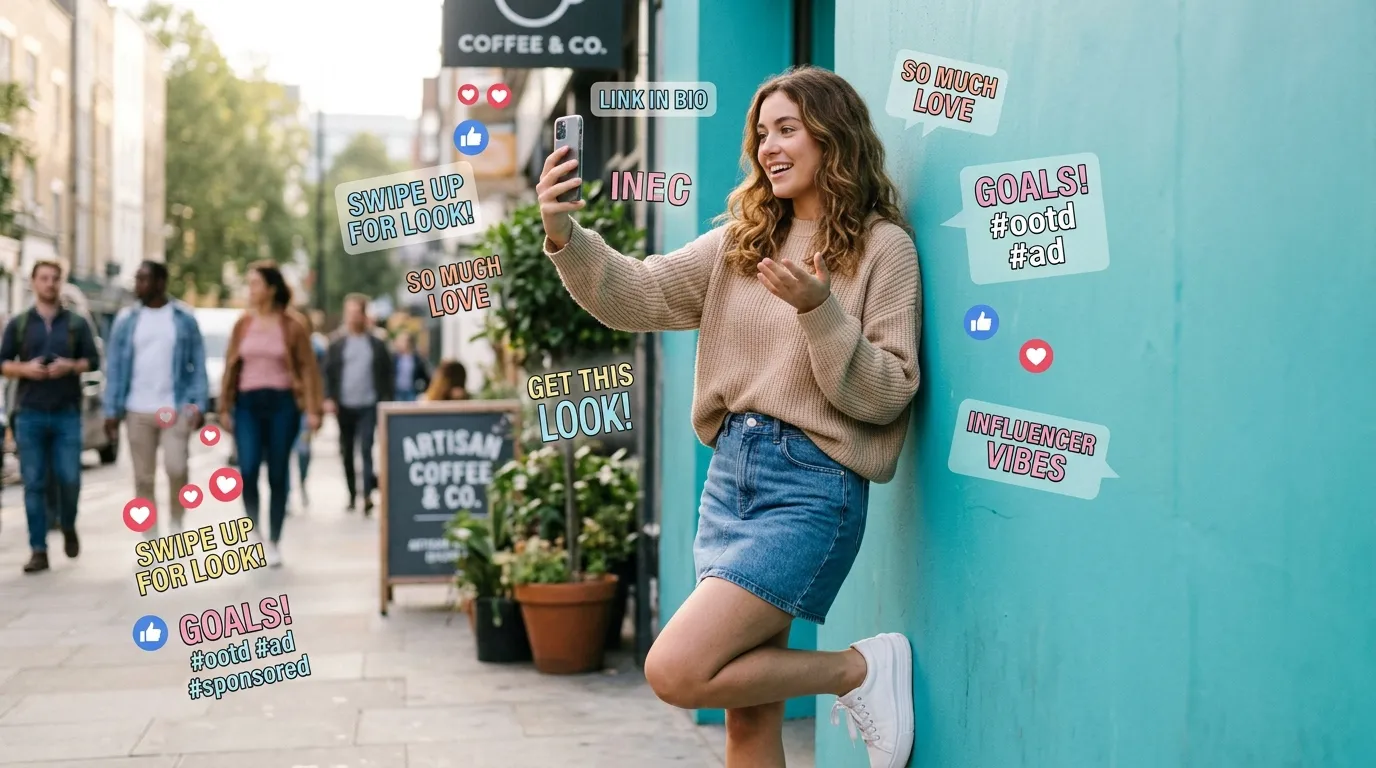
In today’s digital world, you’ve probably heard someone say, “She’s such an influencer” or “Everyone wants to be an influencer these days.” But what exactly does influencer meaning slang refer to, and why has the term become so popular?
The word influencer originally described someone who could affect people’s opinions or decisions. However, in modern internet culture, the term has evolved into a widely used slang expression associated with social media fame, online trends, and digital marketing.
Whether you’re scrolling through TikTok, Instagram, YouTube, or X (formerly Twitter), understanding the slang meaning of influencer can help you stay updated with current online language and social media culture.
In this guide, we’ll explore the influencer meaning in slang, where the term came from, how people use it online, examples, related slang terms, common misconceptions, and much more.
What Does Influencer Mean in Slang?
The slang meaning of influencer refers to a person who has a significant online presence and can affect the opinions, behaviors, purchases, or trends followed by their audience.
In casual conversations, calling someone an influencer often implies that they:
- Have many followers on social media.
- Promote products, brands, or lifestyles.
- Set trends that others follow.
- Have influence over online communities.
Simple Definition
Influencer (slang): A social media personality whose content impacts what people buy, think, wear, watch, or talk about online.
For example:
- “She’s basically an influencer now with 500,000 TikTok followers.”
- “Every influencer is posting about that new skincare brand.”
In slang usage, the term is often used casually and sometimes humorously.
The Origin of the Word Influencer
The concept of influence has existed for centuries, but the modern slang term emerged alongside social media platforms.
Before Social Media
Traditionally, influential people included:
- Celebrities
- Politicians
- Athletes
- Public figures
- Community leaders
These individuals influenced public opinion through television, radio, and print media.
Rise of Social Media
As platforms like:
- YouTube
- Snapchat
- TikTok
grew in popularity, ordinary people began building large audiences online.
Brands soon realized that these content creators could persuade followers to buy products more effectively than traditional advertisements.
This led to the rise of the modern social media influencer.
Influencer Meaning in Social Media Slang
On social media, “influencer” often refers to someone whose online presence is part of their personal brand.
Common characteristics include:
| Trait | Description |
|---|---|
| Large Following | Thousands or millions of followers |
| Content Creation | Posts videos, photos, reviews, or tutorials |
| Brand Partnerships | Works with companies for promotions |
| Trendsetting | Introduces popular styles, products, or ideas |
| Audience Engagement | Interacts with followers regularly |
For many users, “influencer” instantly brings to mind Instagram models, TikTok creators, YouTubers, and lifestyle bloggers.
How People Use Influencer as Slang
The term can be used seriously, jokingly, or even sarcastically depending on context.
Positive Usage
People often use it positively when referring to successful content creators.
Examples:
- “My cousin became an influencer after her travel videos went viral.”
- “That fitness influencer gives great workout advice.”
Humorous Usage
Sometimes friends use it jokingly.
Examples:
- “You posted one gym selfie and now you’re an influencer?”
- “Look at him reviewing his coffee like a professional influencer.”
Sarcastic Usage
Occasionally the term carries a sarcastic tone.
Examples:
- “Another influencer telling us how to live.”
- “Every influencer suddenly became a financial expert.”
Context matters when interpreting the meaning.
Different Types of Influencers
Not all influencers are the same. The internet recognizes several categories.
Mega Influencers
These individuals often have millions of followers.
Examples:
- Celebrities
- Famous athletes
- Major content creators
Characteristics
- Massive reach
- Global audience
- High sponsorship rates
Macro Influencers
Usually have between 100,000 and 1 million followers.
Examples:
- Popular YouTubers
- Established TikTok creators
- Industry experts
Benefits
- Strong engagement
- Niche authority
- Significant influence
Micro Influencers
Typically have 10,000–100,000 followers.
Many brands prefer micro influencers because their audiences tend to be highly engaged.
Common Niches
- Fitness
- Beauty
- Technology
- Gaming
- Parenting
Nano Influencers
Usually have fewer than 10,000 followers.
Although smaller, they often enjoy highly loyal communities.
Advantages
- Authenticity
- Personal connections
- High trust levels
Examples of Influencer Slang in Conversations
Understanding real-life examples can make the slang easier to recognize.
Example 1
Person A: “Did you buy that water bottle because of TikTok?”
Person B: “Yeah, every influencer was talking about it.”
Example 2
Friend: “You got free sneakers from a brand?”
You: “Guess I’m an influencer now.”
Example 3
Comment Section:
- “Another influencer promoting a product.”
- “This influencer actually gives useful advice.”
Why Influencers Matter Today
Influencers have become powerful forces in modern culture.
They Influence Buying Decisions
Studies consistently show that consumers trust recommendations from creators they follow.
Popular categories include:
- Beauty products
- Fashion
- Technology
- Travel
- Food
- Fitness
They Shape Trends
Many viral trends start with influencers.
Examples include:
- Dance challenges
- Fashion aesthetics
- Fitness routines
- Viral recipes
- Internet slang
They Build Communities
Successful influencers often create loyal communities around shared interests.
Followers connect through:
- Comments
- Livestreams
- Fan groups
- Online discussions
Influencer vs Content Creator
Many people confuse these terms.
While related, they are not identical.
| Influencer | Content Creator |
|---|---|
| Focuses on influence | Focuses on creating content |
| Promotes products or ideas | Produces videos, photos, articles |
| Audience trust is key | Creativity is key |
| Often works with brands | May or may not partner with brands |
A person can be both an influencer and a content creator.
Popular Influencer-Related Slang Terms
Understanding related slang can help you navigate social media conversations.
Creator
A person who produces online content.
Example:
- “She’s a travel creator on TikTok.”
Brand Deal
A paid partnership between a creator and a company.
Example:
- “He landed his first brand deal.”
Sponsored Post
Content created in exchange for payment or products.
Example:
- “That video was clearly sponsored.”
Clout
Internet popularity or influence.
Example:
- “People do anything for clout.”
Viral
Content that spreads rapidly online.
Example:
- “Her video went viral overnight.”
Content House
A group of influencers living and creating content together.
Example:
- “They moved into a content house.”
Common Misconceptions About Influencers
Many myths surround influencer culture.
Myth 1: All Influencers Are Rich
Reality:
Many influencers earn little or no money despite having followers.
Income depends on:
- Engagement
- Sponsorships
- Audience size
- Business skills
Myth 2: Anyone With Followers Is an Influencer
Reality:
True influence involves affecting audience behavior, not just collecting followers.
Myth 3: Influencing Is Easy
Reality:
Many influencers spend hours:
- Filming
- Editing
- Marketing
- Responding to audiences
- Negotiating partnerships
Myth 4: Influencers Only Promote Products
Reality:
Many focus on:
- Education
- Entertainment
- Advocacy
- Storytelling
- Community building
Influencer Culture and Modern Society
Influencer culture has transformed how people consume information.
Positive Effects
- Inspires creativity
- Supports small businesses
- Creates educational opportunities
- Builds online communities
Negative Effects
- Unrealistic lifestyle expectations
- Excessive consumerism
- Privacy concerns
- Pressure to stay relevant
As a result, influencer culture remains both influential and controversial.
How Brands Use Influencers
Businesses increasingly invest in influencer marketing.
Reasons Brands Choose Influencers
- Authentic recommendations
- Targeted audiences
- Better engagement
- Cost-effective promotion
Common Campaign Types
- Product reviews
- Giveaways
- Tutorials
- Affiliate marketing
- Sponsored videos
Many companies now allocate significant portions of their marketing budgets to influencer partnerships.
How to Become an Influencer
Many people aspire to become influencers.
Here are some common steps.
Choose a Niche
Examples include:
- Fitness
- Travel
- Gaming
- Technology
- Beauty
- Education
Create Valuable Content
Focus on:
- Consistency
- Quality
- Originality
Engage With Followers
Respond to:
- Comments
- Messages
- Questions
Strong communities often lead to stronger influence.
Stay Authentic
Authenticity is one of the most valued traits among successful influencers.
Followers tend to trust creators who are genuine and transparent.
Influencer Meaning Across Different Platforms
The term can vary slightly depending on the platform.
TikTok
Usually associated with viral creators and trendsetters.
Example:
- Dance influencers
- Comedy influencers
Often connected with lifestyle, fashion, travel, and beauty creators.
YouTube
Frequently refers to long-form content creators with dedicated audiences.
Influencers may be business leaders, entrepreneurs, or industry experts.
X (Twitter)
Often used for commentators, journalists, and thought leaders.
Is Influencer Always a Compliment?
Not necessarily.
The word can carry different tones.
Positive
- Successful
- Inspiring
- Trendsetting
Neutral
- Social media personality
- Online creator
Negative
- Attention-seeking
- Overly promotional
- Inauthentic
The speaker’s tone often determines the intended meaning.
Influencer Meaning Slang vs Traditional Meaning
Here’s a quick comparison.
| Traditional Meaning | Slang Meaning |
|---|---|
| Anyone who influences others | Social media personality |
| Can exist offline | Usually online |
| Broad concept | Internet-focused |
| Includes leaders and experts | Often content creators |
The slang version is much more specific to internet culture.
Frequently Asked Questions (FAQs)
What does influencer mean in slang?
In slang, an influencer is a social media personality who can affect followers’ opinions, purchases, behaviors, or trends through their online content.
Is influencer a positive or negative term?
It can be either. Some people use it positively to describe successful creators, while others use it sarcastically when criticizing social media culture.
What’s the difference between an influencer and a celebrity?
Celebrities are typically famous through traditional media like movies, sports, or music, while influencers usually gain popularity through social media platforms.
Can someone be an influencer with a small following?
Yes. Many micro and nano influencers have small audiences but strong engagement and credibility within specific communities.
Why do companies work with influencers?
Brands partner with influencers because followers often trust their recommendations, making influencer marketing highly effective.
What is influencer marketing?
Influencer marketing is a promotional strategy where brands collaborate with influencers to advertise products or services to their audiences.
Is influencer considered internet slang?
Yes. While the word existed before social media, its modern usage as a term for online personalities is widely considered part of internet and social media slang.
Conclusion
The influencer meaning slang has become an important part of modern internet culture. Today, an influencer is generally understood as someone who uses social media to shape opinions, trends, purchasing decisions, and online conversations. From TikTok stars and YouTubers to niche experts and micro creators, influencers play a major role in how information spreads across digital platforms.
Understanding this slang term helps you navigate social media discussions, online marketing trends, and internet culture more confidently. Whether the word is used seriously, humorously, or sarcastically, its core idea remains the same: an influencer is someone whose voice has the power to impact others online. As social media continues to evolve, the meaning and influence of influencers will likely remain a major part of digital communication for years to come.