In today’s world of social media, memes, online dating, and viral trends, you’ve probably heard the term “simp” being thrown around on platforms like TikTok, Instagram, X (formerly Twitter), YouTube, and Twitch. But what exactly is simp culture meaning, and why has it become such a major part of internet conversations?
The phrase has evolved from a simple slang word into a broader cultural phenomenon. Some people use it jokingly, while others use it as criticism. Understanding simp culture can help you better navigate online discussions, relationships, social expectations, and modern internet humor.
In this comprehensive guide, we’ll explore the meaning of simp culture, its origins, examples, misconceptions, psychological aspects, and its impact on today’s digital world.
What Does Simp Mean?
A simp is generally described as someone who shows excessive admiration, attention, affection, or support toward another person—often romantically—without receiving the same level of interest or commitment in return.
The term is commonly used when someone:
- Constantly seeks another person’s approval.
- Gives excessive gifts or favors.
- Prioritizes someone else’s needs over their own.
- Continues pursuing someone despite a lack of mutual interest.
- Appears overly devoted in hopes of gaining affection.
Simple Definition
A simp is someone who invests significant emotional energy, attention, or resources into another person while receiving little or nothing in return.
However, the meaning has become much broader online, leading to the rise of what people now call simp culture.
What Is Simp Culture?
Simp culture refers to the widespread online trend of labeling, discussing, joking about, or criticizing behaviors perceived as excessive admiration or devotion toward someone.
It became especially popular through:
- Meme culture
- TikTok videos
- Gaming communities
- Streaming platforms
- Social media discussions
- Online dating conversations
In many online spaces, people jokingly call someone a simp for:
- Complimenting a celebrity.
- Supporting a favorite creator.
- Defending a crush.
- Buying merchandise from influencers.
- Showing affection publicly.
As a result, simp culture has transformed from a specific criticism into a broader internet joke.
The Origin of the Word “Simp”
Many people assume the term is brand new, but its history goes back much further.
Early Usage
The word “simp” is believed to be a shortened version of:
Simpleton
Historically, a simpleton referred to someone considered foolish or naive.
Modern Internet Revival
The term gained massive popularity around:
- 2019
- 2020
- TikTok boom
- Twitch streaming growth
It became a viral meme as users joked about people who appeared overly dedicated to influencers, streamers, or romantic interests.
Why Did Simp Culture Become So Popular?
Several factors contributed to its rapid rise.
1. Social Media Relationships
People now interact with:
- Influencers
- Streamers
- Celebrities
- Content creators
more than ever before.
These interactions can create feelings of closeness despite never meeting in real life.
2. Meme Culture
Internet humor thrives on exaggeration.
Someone leaving a supportive comment might jokingly be called a simp even if their behavior is completely normal.
3. Online Dating Discussions
Modern dating conversations often include debates about:
- Effort
- Attention
- Boundaries
- Reciprocity
The term became a shorthand way of discussing imbalanced romantic dynamics.
4. Gaming Communities
Twitch and gaming communities helped popularize the word through live chat jokes and memes.
Simp Culture vs Genuine Kindness
One of the biggest misunderstandings surrounding simp culture is the confusion between being kind and being a simp.
Here’s a simple comparison:
| Genuine Kindness | Simping (Common Interpretation) |
|---|---|
| Respecting others | Seeking validation constantly |
| Helping voluntarily | Expecting affection in return |
| Healthy admiration | Excessive obsession |
| Mutual respect | One-sided devotion |
| Balanced relationships | Ignoring personal boundaries |
Being respectful, generous, or caring does not automatically make someone a simp.
This distinction is important because online jokes sometimes blur the line between healthy behavior and unhealthy attachment.
Examples of Simp Culture
Let’s look at some common examples.
Example 1: Celebrity Obsession
A person:
- Buys every product a celebrity promotes.
- Defends them online constantly.
- Spends excessive money seeking attention.
Many internet users would label this behavior as simping.
Example 2: One-Sided Romantic Pursuit
Someone repeatedly:
- Sends gifts.
- Offers favors.
- Provides emotional support.
despite receiving little interest in return.
This is one of the classic examples associated with the term.
Example 3: Streamer Donations
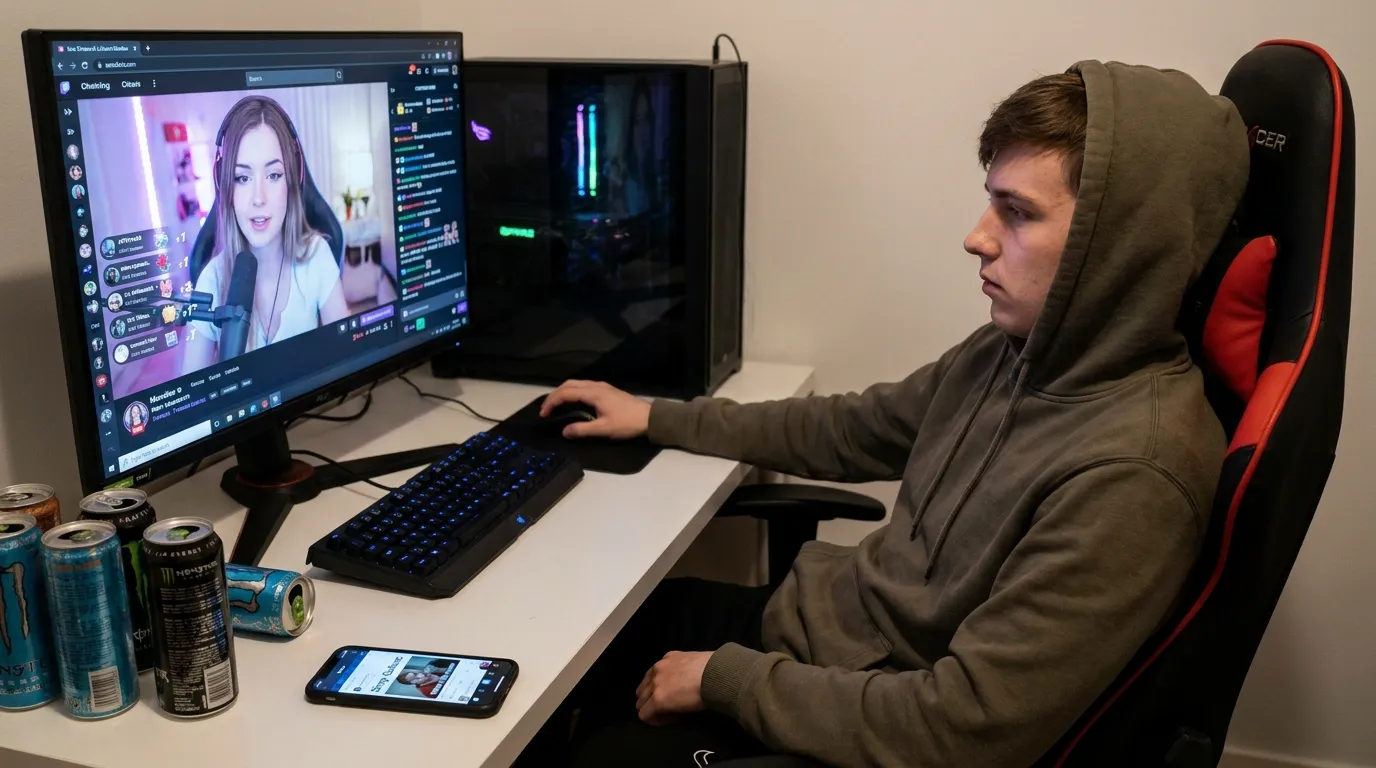
Some viewers donate large amounts of money to streamers hoping for recognition or attention.
This behavior is frequently discussed within simp culture conversations.
Example 4: Social Media Comments
Posting:
- “You’re perfect!”
- “Notice me!”
- “I would do anything for you!”
under every post may lead others to jokingly call someone a simp.
The Psychology Behind Simp Culture
Understanding the psychology helps explain why the phenomenon exists.
Need for Validation
Many people naturally seek:
- Acceptance
- Recognition
- Approval
- Emotional connection
Sometimes these desires can become excessive.
Parasocial Relationships
A parasocial relationship occurs when a person feels emotionally connected to someone who doesn’t know them personally.
Examples include:
- Influencers
- Streamers
- Celebrities
- Content creators
These one-sided relationships can sometimes encourage behaviors associated with simp culture.
Fear of Rejection
Some individuals may overinvest in relationships because they fear losing a connection.
This can lead to:
- Over-giving
- Over-apologizing
- Ignoring boundaries
- Seeking constant approval
How TikTok Influenced Simp Culture
TikTok played a huge role in making the term mainstream.
Popular trends included:
- Simp check videos
- Relationship skits
- Dating memes
- POV content
- Creator fan interactions
Millions of users began using the term humorously, causing it to spread rapidly across social media.
Today, many TikTok users use the word casually without its original meaning.
Simp Culture in Gaming Communities
Gaming communities were among the earliest adopters of the term.
Common situations included:
- Donating to streamers.
- Defending favorite creators.
- Excessive praise in chat.
- Prioritizing creator attention.
In many cases, the term became part of gaming humor rather than serious criticism.
The Positive Side of Simp Culture
Although the term often has negative connotations, there are some positive discussions surrounding it.
Encourages Relationship Awareness
People may become more conscious of:
- Personal boundaries
- Self-respect
- Emotional balance
- Healthy communication
Sparks Conversations
The topic often leads to discussions about:
- Dating standards
- Mutual effort
- Emotional intelligence
- Self-worth
Challenges Unhealthy Attachment
The conversation can encourage individuals to examine whether their relationships are balanced and reciprocal.
The Negative Side of Simp Culture
The term can also create problems.
Overuse
Many people now use “simp” for virtually any display of affection.
Examples include:
- Buying flowers.
- Complimenting a partner.
- Being supportive.
This can create confusion about healthy relationship behaviors.
Shaming Kindness
Some people fear being mocked for:
- Showing emotions.
- Being caring.
- Expressing affection.
This can discourage positive relationship habits.
Toxic Online Behavior
The term is sometimes used to insult or shame others rather than promote healthy discussions.
Common Misconceptions About Simp Culture
Myth #1: Being Nice Means You’re a Simp
False.
Kindness and respect are healthy qualities.
Myth #2: Only Men Can Be Simps
False.
Anyone can become overly attached or overly invested in another person.
Myth #3: Simping Is Always Romantic
False.
People can become excessively devoted to:
- Celebrities
- Athletes
- Influencers
- Public figures
without romantic intentions.
Myth #4: Supporting Creators Is Simping
False.
Enjoying content and supporting creators financially is normal.
The label typically applies when support becomes excessive or unhealthy.
Signs of Unhealthy Simping
Some warning signs include:
- Constantly seeking validation.
- Ignoring personal boundaries.
- Spending beyond your means.
- Neglecting friends or responsibilities.
- Accepting poor treatment.
- Expecting affection as a reward for favors.
- Making someone the center of your life.
These behaviors may indicate an unhealthy imbalance.
Healthy Alternatives to Simping
Instead of becoming overly invested, focus on building balanced relationships.
Practice Self-Respect
Remember that your needs matter too.
Tips
- Set boundaries.
- Value your time.
- Prioritize personal goals.
Seek Mutual Effort
Healthy relationships involve:
- Communication
- Respect
- Reciprocity
- Trust
Both people should contribute.
Build Confidence
Strong self-esteem can reduce the need for constant external validation.
Ways to build confidence:
- Learn new skills.
- Exercise regularly.
- Set personal goals.
- Develop hobbies.
Related Internet Slang Terms
If you’re researching simp culture, you may also encounter these terms.
| Term | Meaning |
|---|---|
| Stan | Extremely devoted fan |
| Fanboy/Fangirl | Enthusiastic supporter |
| Pick-Me | Someone seeking approval through attention-seeking behavior |
| Parasocial Relationship | One-sided emotional connection |
| Thirsty | Excessively seeking romantic or sexual attention |
| Clout Chasing | Seeking attention through associations |
Understanding these terms helps provide broader context within internet culture.
How Simp Culture Affects Modern Dating
Simp culture has influenced dating conversations significantly.
Some positive effects include:
- Encouraging self-respect.
- Highlighting relationship balance.
- Promoting boundary awareness.
However, it can also create confusion.
Some people now hesitate to:
- Show affection.
- Express emotions.
- Be vulnerable.
because they fear being labeled a simp.
Healthy relationships require effort, communication, and care. Showing affection is not inherently a bad thing.
Simp Culture and Social Media Influencers
Influencers occupy a unique position within simp culture.
Followers often:
- Watch daily content.
- Learn personal details.
- Feel emotionally connected.
This can create strong parasocial bonds.
Most creator-fan relationships remain harmless, but problems may arise when:
- Expectations become unrealistic.
- Financial support becomes excessive.
- Emotional dependency develops.
Maintaining healthy boundaries is essential.
Is Simp Culture Still Relevant Today?
Yes, although its meaning continues to evolve.
Today, the term is often used:
- As a joke.
- As a meme.
- As lighthearted teasing.
- As genuine criticism.
Many younger internet users use the word casually without attaching serious judgment.
As internet language changes, simp culture continues adapting to new social media trends and online communities.
Frequently Asked Questions (FAQs)
What is the meaning of simp culture?
Simp culture refers to the internet trend of discussing, joking about, or criticizing people who show excessive admiration, devotion, or attention toward someone, often without receiving equal interest in return.
Is being kind considered simping?
No. Being respectful, supportive, and caring are healthy behaviors. Simping usually refers to excessive or one-sided devotion.
Where did the term simp come from?
The term is believed to originate from the word “simpleton,” meaning a foolish person. It later gained popularity through social media, gaming, and meme culture.
Can women be called simps?
Yes. Although the term is often associated with men, anyone can display behaviors commonly described as simping.
Is supporting content creators simping?
Not necessarily. Supporting creators through subscriptions, donations, or purchases is normal. It becomes problematic only when the support becomes excessive or emotionally unhealthy.
What is a parasocial relationship?
A parasocial relationship is a one-sided emotional connection where a person feels close to a public figure, influencer, celebrity, or creator who does not personally know them.
Is simp culture harmful?
It can be both helpful and harmful. It may encourage discussions about boundaries and self-respect, but it can also shame healthy affection and kindness when used incorrectly.
Conclusion
Understanding simp culture meaning requires looking beyond internet jokes and memes. At its core, simp culture revolves around discussions of admiration, devotion, boundaries, and relationship balance in the digital age.
While the term originally described excessive one-sided affection, its meaning has expanded dramatically across social media, gaming communities, and online culture. Today, people use it humorously, critically, and sometimes inaccurately.
The key takeaway is simple: kindness, respect, and affection are not the same as unhealthy devotion. Healthy relationships—whether romantic, social, or online—are built on mutual respect, balanced effort, clear boundaries, and genuine connection.
As internet slang continues evolving, understanding the context behind terms like simp, stan, and parasocial relationships can help you navigate modern digital culture more confidently and thoughtfully.