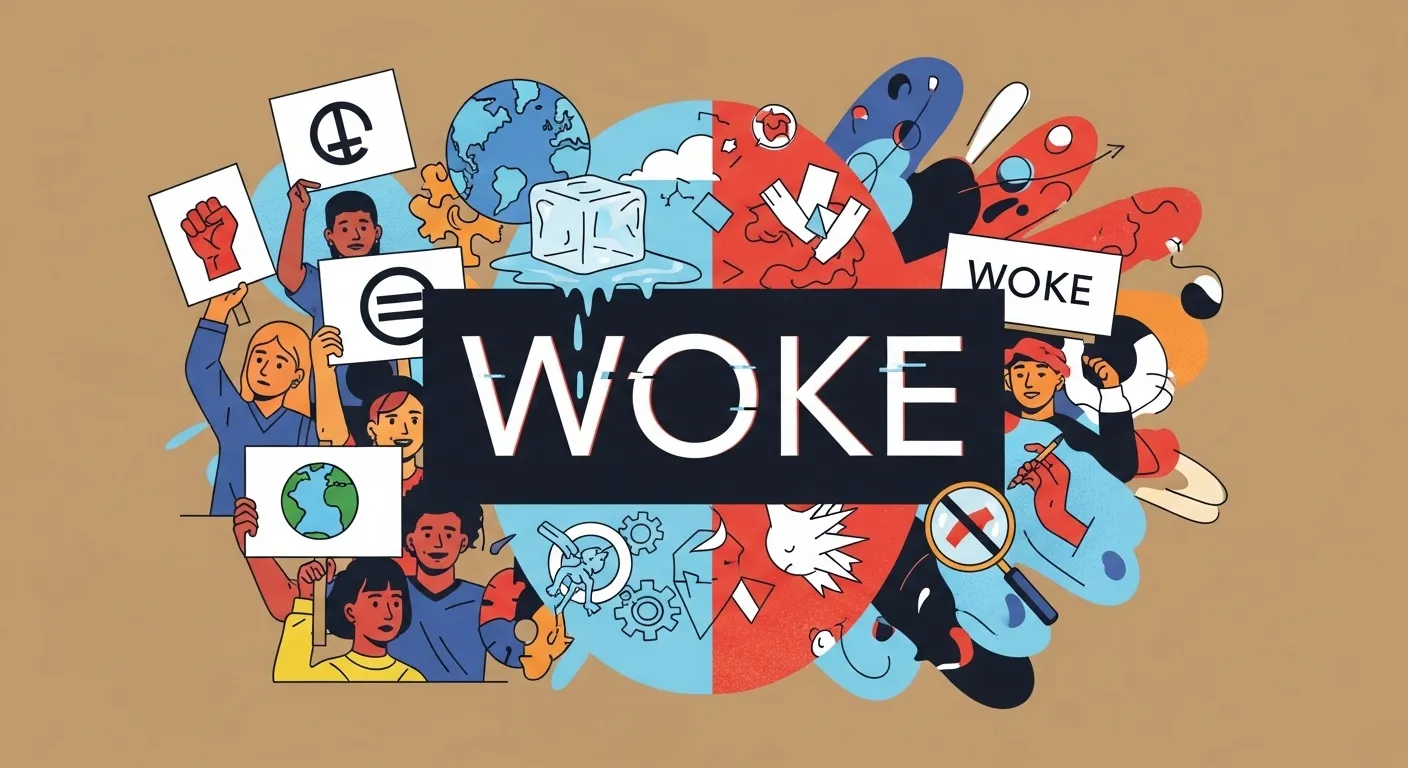
In today’s internet-driven world, slang words spread faster than ever, and few terms have sparked as much discussion as “woke.” You’ve probably seen it used on social media, in memes, political debates, TikTok videos, news headlines, or everyday conversations. But what does woke meaning slang actually refer to?
Originally, the word had a powerful cultural and social meaning connected to awareness and injustice. Over time, however, its usage expanded, shifted, and even became controversial. Today, depending on the context, “woke” can be used seriously, humorously, positively, or sarcastically.
Understanding the slang meaning of woke helps people better navigate online conversations, modern culture, and trending internet language. Whether you’re hearing someone say “stay woke,” seeing jokes about “being woke,” or trying to understand debates around “woke culture,” this guide breaks everything down in a simple and easy-to-understand way.
In this article, you’ll learn:
- The original meaning of “woke”
- How the slang term evolved
- What “stay woke” means
- How people use “woke” online today
- Common misunderstandings
- Examples from social media and pop culture
- Related slang words and phrases
Let’s dive in.
What Does Woke Mean in Slang?
The slang term “woke” generally means:
Being aware of social issues, injustice, discrimination, inequality, or cultural problems.
Someone described as “woke” is often seen as socially conscious or informed about important issues affecting society.
Simple Definition of Woke
| Term | Meaning |
|---|---|
| Woke | Aware of social injustice and inequality |
| Stay Woke | Stay alert and informed about important issues |
| Woke Culture | Social awareness movements or activism |
At its core, the term is about awareness and paying attention to problems that may affect people unfairly.
Origin of the Word “Woke”
The word “woke” actually comes from the standard English verb “wake.”
- Wake → Woke → Awake
- “Woke” originally meant someone had literally awakened from sleep.
But over time, especially in African American communities, the term gained a deeper cultural meaning.
Early Cultural Use
The phrase “stay woke” appeared in Black communities in the United States during the 20th century. It meant:
- Stay aware
- Stay cautious
- Stay informed about racism and injustice
One early example comes from blues musician Lead Belly in the 1930s, who used the phrase in reference to racial injustice.
Later, the expression became widely used during social justice movements and online activism.
What Does “Stay Woke” Mean?
“Stay woke” is one of the most popular phrases connected to the slang term.
Meaning of Stay Woke
The phrase means:
- Remain alert
- Be socially aware
- Pay attention to injustice or manipulation
- Don’t ignore important issues
Example:
“You should stay woke about misinformation online.”
In this example, the speaker means people should stay informed and think critically.
How “Woke” Became Popular Online
The term exploded in popularity during the 2010s thanks to:
- Twitter/X discussions
- TikTok videos
- Activism hashtags
- Celebrity interviews
- News media
- Internet memes
Social media users started using “woke” to discuss topics like:
- Racism
- Gender equality
- Climate change
- Mental health
- Representation in media
- LGBTQ+ rights
- Politics and social justice
As the word spread, its meaning evolved and became broader.
Modern Woke Meaning in Slang
Today, “woke” can have multiple meanings depending on tone and context.
1. Positive Meaning
Some people use “woke” positively to describe awareness and empathy.
Example:
“She’s really woke about environmental issues.”
Meaning:
- She understands and cares about environmental problems.
2. Sarcastic or Mocking Meaning
Others use “woke” sarcastically to criticize people they think are overly politically correct.
Example:
“That movie is too woke.”
Meaning:
- The speaker believes the movie focuses excessively on social or political messaging.
This sarcastic usage became increasingly common in internet culture and political discussions.
3. Meme or Joke Usage
Sometimes “woke” is used humorously in memes.
Example:
“I’m woke because I drink oat milk now.”
This exaggerates the idea of being socially conscious in a funny way.
Woke Meaning on Social Media
Different platforms use the slang differently.
TikTok
On TikTok, “woke” often appears in:
- Political commentary
- Social justice discussions
- Satirical videos
- Meme trends
Example:
“Gen Z is more woke than older generations.”
Twitter/X
Twitter helped popularize the term globally.
People often use it in debates or trending conversations:
- “Stay woke”
- “Woke culture”
- “Anti-woke”
- “Too woke”
Instagram users may use “woke” in captions related to:
- Activism
- Awareness
- Mental health
- Cultural issues
YouTube
YouTubers commonly discuss:
- Woke media
- Woke politics
- Woke marketing
- Woke trends
Examples of Woke in Sentences
Understanding slang becomes easier with examples.
Positive Examples
- “He’s woke about social inequality.”
- “People are becoming more woke about climate change.”
- “Stay woke and question misinformation.”
Sarcastic Examples
- “That brand is trying too hard to look woke.”
- “Everything is called woke these days.”
- “The internet argues about woke culture nonstop.”
Funny Examples
- “I recycled one bottle. I’m officially woke.”
- “My cat is woke because it ignores capitalism.”
What Is Woke Culture?
“Woke culture” refers to attitudes, movements, or behaviors centered around social awareness and activism.
Topics Often Associated With Woke Culture
- Equality
- Diversity
- Representation
- Inclusion
- Human rights
- Ethical behavior
- Social justice
Some people support woke culture because they believe it encourages fairness and progress.
Others criticize it because they feel it can become excessive, performative, or divisive.
Why Is the Word “Woke” Controversial?
The term became controversial because different groups interpret it differently.
Supporters Say Woke Means:
- Compassion
- Awareness
- Education
- Social responsibility
- Fighting injustice
Critics Say Woke Can Mean:
- Over-sensitivity
- Performative activism
- Political correctness
- Cancel culture
- Excessive ideology
As a result, the word now carries emotional and political weight in many discussions.
Difference Between Original and Modern Meaning
| Original Meaning | Modern Usage |
|---|---|
| Awareness of racial injustice | Broader social awareness |
| Primarily African American slang | Mainstream internet slang |
| Serious social message | Sometimes sarcastic or political |
| “Stay alert” | Multiple meanings depending on context |
Is Being Woke Good or Bad?
The answer depends on perspective.
Positive View
People who use “woke” positively often believe it means:
- Caring about others
- Being informed
- Supporting equality
- Understanding social issues
Negative View
Critics may feel:
- Some activism becomes superficial
- Companies use “woke” marketing for profit
- Discussions become overly judgmental
Because of these mixed opinions, context matters a lot.
Woke vs Political Correctness
Many people confuse “woke” with political correctness, but they are not exactly the same.
| Woke | Political Correctness |
|---|---|
| Awareness of social issues | Avoiding offensive language |
| Often tied to activism | Focused on respectful communication |
| Can involve systemic criticism | Often about behavior and wording |
The two concepts overlap, but they are different.
Woke in Pop Culture
The slang term appears everywhere in entertainment.
Movies and TV
People often debate whether shows are:
- “Too woke”
- “Not woke enough”
- Progressive or traditional
Music
Artists sometimes use “stay woke” in lyrics to encourage awareness.
Advertising
Brands may promote:
- Diversity campaigns
- Inclusion messages
- Environmental awareness
Critics sometimes call this “woke marketing.”
What Is “Anti-Woke”?
Another popular phrase online is “anti-woke.”
Meaning of Anti-Woke
It refers to opposition against:
- Certain social justice movements
- Political correctness
- Progressive cultural trends
The phrase appears often in:
- Political commentary
- Social media arguments
- News discussions
Common Misunderstandings About Woke
1. Woke Only Means Politics
Not always.
Some people use it for:
- Mental health awareness
- Environmental awareness
- Cultural understanding
2. Woke Is Always Negative
False.
The tone depends entirely on context and the speaker.
3. Woke Is New Slang
Actually, the term has existed for decades.
4. Everyone Uses the Word the Same Way
No. Different communities use it differently.
Related Slang Terms and Phrases
If you’re learning modern slang, these related terms may also help.
| Slang Term | Meaning |
|---|---|
| Based | Confidently authentic |
| Cancel Culture | Publicly criticizing or boycotting someone |
| Virtue Signaling | Showing moral opinions mainly for attention |
| Social Justice Warrior (SJW) | Someone strongly focused on activism |
| Red Pill | Awakening to a supposed hidden truth |
| Chronically Online | Excessively involved in internet culture |
Generational Use of Woke
Different generations use the slang differently.
Gen Z
- Often uses it ironically or humorously
- Common in memes and TikTok content
Millennials
- Frequently associate it with activism and social awareness
Older Generations
- May mainly hear the term in political or media discussions
How Brands Use Woke Marketing
Many companies try to appear socially aware.
Examples Include:
- Pride Month campaigns
- Diversity advertisements
- Sustainability messaging
- Equality-focused branding
Criticism of Woke Marketing
Some consumers believe brands:
- Use activism for profit
- Lack genuine commitment
- Follow trends instead of values
This criticism is sometimes called:
- “Performative activism”
- “Corporate woke branding”
When Should You Use the Word Woke?
Because the term is sensitive or controversial in some situations, it’s important to understand context.
Appropriate Situations
- Discussing social awareness
- Talking about internet culture
- Explaining modern slang
- Casual conversations about trends
Situations to Be Careful In
- Political debates
- Workplace discussions
- Serious social conversations
Tone matters significantly.
Is Woke Still Trending?
Yes, absolutely.
The term continues trending because it appears in:
- News headlines
- Political debates
- Social media trends
- Viral memes
- Entertainment reviews
- Online arguments
Search interest for phrases like:
- “What does woke mean?”
- “Woke slang meaning”
- “Stay woke meaning”
- “Woke culture explained”
remains consistently high.
Examples of Viral Woke Phrases
Some internet phrases connected to the slang include:
- “Stay woke”
- “Go woke, go broke”
- “Woke culture”
- “Too woke”
- “Woke mind virus”
- “Woke agenda”
These phrases often appear in debates and memes online.
The Evolution of Internet Slang
“Woke” is a great example of how slang changes over time.
Stages of Slang Evolution
- Small community usage
- Cultural popularity
- Internet spread
- Meme adaptation
- Political usage
- Mainstream adoption
Once slang becomes mainstream, meanings often shift dramatically.
Why Understanding Slang Matters
Modern slang shapes online communication.
Learning terms like “woke” helps people:
- Understand memes
- Follow internet trends
- Participate in conversations
- Avoid misunderstandings
- Recognize tone and sarcasm
Slang also reflects cultural changes and social attitudes.
Quick Summary Table
| Topic | Meaning |
|---|---|
| Woke | Socially aware |
| Stay Woke | Stay informed and alert |
| Woke Culture | Social awareness movements |
| Anti-Woke | Opposition to progressive social trends |
| Woke Marketing | Brands using social messaging |
FAQs About Woke Meaning Slang
1. What does woke mean in slang?
“Woke” means being aware of social issues, inequality, injustice, or cultural problems. It can also be used sarcastically depending on context.
2. What does “stay woke” mean?
“Stay woke” means staying alert, informed, and socially aware about important issues or hidden problems.
3. Is woke a positive or negative term?
It can be either. Some people use it positively to praise awareness, while others use it critically or sarcastically.
4. Where did the word woke come from?
The term originated in African American communities and was historically connected to awareness of racism and injustice.
5. Why is woke controversial?
Different groups interpret the term differently. Some see it as promoting fairness and awareness, while others see it as excessive political correctness.
6. Is woke still popular in 2026?
Yes. The word continues to trend in politics, memes, social media, and pop culture discussions.
7. What’s the difference between woke and political correctness?
“Woke” usually refers to social awareness and activism, while political correctness focuses more on respectful language and behavior.
Final Thoughts on Woke Meaning Slang
The phrase “woke meaning slang” has evolved far beyond its original definition. What started as a serious call for awareness became a mainstream internet term used in activism, politics, entertainment, memes, and everyday conversation.
Today, “woke” can mean:
- Social awareness
- Cultural consciousness
- Political commentary
- Internet humor
- Sarcasm or criticism
The key to understanding the term is context. Tone, audience, and platform all influence what someone means when they use “woke.”
If you want to better understand modern internet culture, social media trends, and online slang, learning how words like “woke” evolve is incredibly valuable.
Key Takeaways
- “Woke” originally meant awareness of injustice.
- “Stay woke” encourages staying informed.
- The term now has both positive and sarcastic meanings.
- Context matters more than ever.
- Social media helped popularize and transform the word.
As internet language continues to evolve, “woke” remains one of the most influential and debated slang terms of the modern era.