In today’s digital world, texting abbreviations and internet slang are everywhere. One of the most common terms you’ll see online is “LOL.” Whether you’re chatting with friends, scrolling through social media, or replying to memes, chances are you’ve used or seen this expression many times.
But what exactly does LOL mean in text? Is it always used for laughter? Can it sound rude or awkward in some situations? And are there better alternatives depending on the conversation?
This complete guide explains everything you need to know about LOL meaning in text, including its definition, history, examples, variations, texting etiquette, and modern slang alternatives.
What Does LOL Mean in Text?
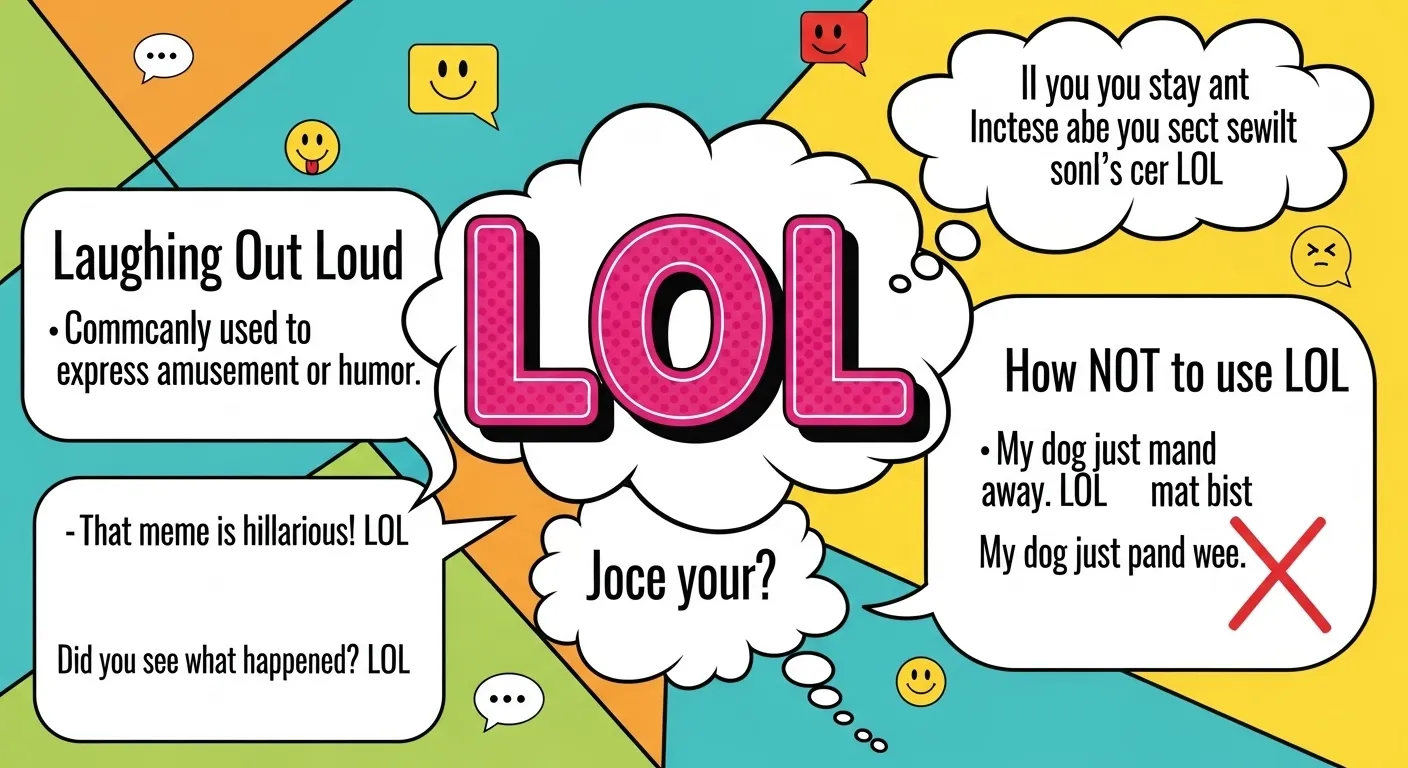
LOL stands for:
Laugh Out Loud
It is commonly used in texting, social media posts, online chats, gaming, and comments to show laughter, amusement, or humor.
People use LOL when something is funny, entertaining, awkward, or even slightly amusing.
Simple Example
- “That video was hilarious LOL”
- “You really said that to your teacher? lol”
In both cases, LOL expresses laughter or amusement.
The Origin and History of LOL
The term LOL became popular during the early days of internet chat rooms and instant messaging in the 1980s and 1990s.
As texting became more common, people started shortening phrases to save time. Instead of typing “I’m laughing out loud,” users simply wrote “LOL.”
Over time, LOL became one of the most recognizable internet abbreviations in the world.
Where LOL Became Popular
- Online chat rooms
- Early texting culture
- Internet forums
- Social media platforms
- Gaming communities
- Meme culture
Today, LOL is used globally by people of all ages.
Different Meanings of LOL in Text
Although LOL officially means “Laugh Out Loud,” people use it in different ways depending on the context.
1. Genuine Laughter
This is the most direct meaning.
Example
- “That joke made me LOL”
The person is actually laughing.
2. Showing Mild Amusement
Sometimes LOL simply means something is slightly funny.
Example
- “You forgot your own birthday lol”
The speaker may smile rather than laugh loudly.
3. Making a Message Sound Friendly
LOL is often added to soften messages and make conversations feel less serious.
Example
- “I think you sent the wrong file lol”
Without LOL, the message might sound too direct.
4. Reducing Awkwardness
People also use LOL when they feel uncomfortable or nervous.
Example
- “I waved at the wrong person lol”
It helps make embarrassing moments feel lighter.
5. Filling Empty Space in Conversation
Sometimes LOL doesn’t mean laughter at all. It’s simply used to keep the conversation casual.
Example
- “Yeah lol”
This usage is extremely common in texting culture.
How LOL Is Used on Different Platforms
The meaning and tone of LOL can vary slightly depending on where it’s used.
LOL in Text Messages
In texting, LOL usually sounds casual, relaxed, and friendly.
Example
- “I’m so tired lol”
LOL on Social Media
On platforms like Instagram, TikTok, Facebook, and X, LOL often reacts to funny content.
Example
- “This meme is too accurate LOL”
LOL in Gaming
Gamers use LOL frequently during multiplayer chats.
Example
- “That boss fight was impossible lol”
LOL in Work Chats
Using LOL at work can sometimes feel unprofessional depending on the situation.
Safe Example
- “Looks like we both uploaded the same file lol”
Avoid overusing it in formal business communication.
Examples of LOL in Everyday Conversations
Here are some realistic examples of how people use LOL in text conversations.
| Situation | Example Message |
|---|---|
| Funny joke | “That was hilarious LOL” |
| Embarrassing moment | “I walked into the wrong classroom lol” |
| Friendly correction | “You spelled my name wrong lol” |
| Casual response | “Yeah lol I know” |
| Reaction to meme | “This video has me dead lol” |
Is LOL Still Popular?
Yes, LOL is still extremely popular, although younger generations sometimes prefer newer slang expressions.
Even with the rise of emojis and modern internet slang, LOL remains one of the most recognized texting abbreviations worldwide.
Why LOL Is Still Used
- Quick and easy to type
- Universally understood
- Casual and friendly
- Works in many situations
- Recognizable across generations
Alternatives to LOL in Texting
Many people now use newer slang terms instead of LOL. Here are some common alternatives.
Common Alternatives to LOL
| Slang | Meaning |
|---|---|
| LMAO | Laughing My Ass Off |
| ROFL | Rolling On the Floor Laughing |
| Haha | Simple laughter |
| LMFAO | Stronger version of LMAO |
| XD | Laughing face expression |
| 💀 | “I’m dead” from laughter |
| 😂 | Crying laughing emoji |
LOL vs Haha: What’s the Difference?
Many people wonder whether LOL and “haha” mean the same thing.
LOL
- More internet-style
- Can soften messages
- Sometimes not genuine laughter
- Used casually
Haha
- Feels more natural
- Often sounds more sincere
- Can show actual laughter
Example
- “That’s funny lol” → casual
- “That’s funny haha” → more genuine
LOL vs LMAO
Although similar, these terms have different intensity levels.
| Term | Meaning | Strength |
|---|---|---|
| LOL | Laugh Out Loud | Mild |
| LMAO | Laughing My Ass Off | Strong |
| ROFL | Rolling On the Floor Laughing | Very strong |
Example
- “Nice joke lol” → mildly funny
- “That video was LMAO” → extremely funny
Why People Use LOL Even When They Aren’t Laughing
One interesting thing about internet culture is that LOL is often used even when nobody is actually laughing.
This happens because LOL has evolved into a conversational tool rather than just a laughter reaction.
Common Reasons
1. To Sound Less Serious
- “You forgot again lol”
2. To Avoid Sounding Rude
- “That’s not what I meant lol”
3. To Make Conversations Comfortable
- “I don’t know lol”
4. Habit
Some people type LOL automatically without thinking about it.
Common Misunderstandings About LOL
Despite being simple, LOL can sometimes create confusion.
Misunderstanding #1: LOL Always Means Real Laughter
Not true. Many people use it casually.
Misunderstanding #2: LOL Is Only for Young People
People of all ages use LOL today.
Misunderstanding #3: LOL Is Outdated
While newer slang exists, LOL remains highly popular.
Misunderstanding #4: LOL Is Always Informal
Although casual, some workplaces and professional chats allow light use of LOL.
When You Should Avoid Using LOL
There are situations where LOL may not be appropriate.
Serious Conversations
Avoid LOL during emotional or sensitive discussions.
Example
- Bad: “Sorry for your loss lol”
This would seem insensitive.
Professional Emails
Formal business communication usually should not include LOL.
Better Alternative
- “Thank you for your understanding.”
Academic Writing
LOL is considered informal slang and should not appear in essays or research papers.
Capital LOL vs Lowercase lol
People often wonder whether capitalization changes the meaning.
LOL (Capital Letters)
- Stronger laughter
- More energetic
- More dramatic
Example
- “That was so funny LOL”
lol (Lowercase)
- Softer tone
- Casual
- Sometimes barely indicates laughter
Example
- “yeah lol”
Lowercase “lol” is more common in modern texting.
Funny and Popular LOL Examples
Here are some entertaining examples of LOL usage online.
Meme Reactions
- “This cat thinks it owns the house lol”
Awkward Situations
- “I sent the message to the wrong person lol”
Relatable Moments
- “Me pretending to understand math lol”
The Psychology Behind LOL
Researchers and communication experts say LOL helps express emotion in digital communication.
Since texts don’t include facial expressions or tone of voice, abbreviations like LOL help people understand emotional intent.
LOL Helps With
- Reducing tension
- Showing friendliness
- Creating emotional warmth
- Preventing misunderstandings
- Making conversations feel natural
LOL in Pop Culture and Internet Trends
LOL became such a major internet term that it entered mainstream culture.
Fun Facts
- LOL was added to dictionaries like the Oxford English Dictionary.
- It appears in memes, TV shows, and online videos.
- Some people even say “LOL” out loud in real life.
Related Internet Slang Terms
If you understand LOL, you may also want to know these common texting abbreviations.
| Slang | Meaning |
|---|---|
| BRB | Be Right Back |
| OMG | Oh My God |
| TBH | To Be Honest |
| IDK | I Don’t Know |
| SMH | Shaking My Head |
| IMO | In My Opinion |
| BTW | By The Way |
These terms are commonly used alongside LOL in digital conversations.
How to Use LOL Naturally
If you’re unsure how to use LOL properly, follow these simple tips.
Use LOL When
- Something is funny
- You want to sound friendly
- You want to lighten the mood
- A message may sound too serious
Avoid Overusing LOL
Using LOL in every sentence can seem repetitive.
Too Much
- “I’m tired lol”
- “Going to sleep lol”
- “Talk later lol”
Match the Conversation Tone
Use LOL casually with friends but avoid it in highly professional or emotional situations.
Is LOL Different Across Generations?
Yes, different age groups may use LOL differently.
Younger Users
- Often prefer emojis or newer slang
- May use “💀” or “LMAO” instead
Older Users
- More likely to use LOL traditionally
- Often use it to show friendliness
LOL in Real-Life Speech
Interestingly, some people now say “LOL” during face-to-face conversations.
Example
- “He really forgot his own keys, LOL.”
This reflects how internet culture influences everyday language.
FAQs About LOL Meaning in Text
1. What does LOL stand for in texting?
LOL stands for “Laugh Out Loud.” It is used to express laughter or amusement in digital communication.
2. Is LOL rude?
Usually no. LOL is generally friendly and casual. However, using it during serious conversations may appear insensitive.
3. Do people still use LOL?
Yes. Although newer slang terms exist, LOL remains one of the most widely used internet abbreviations.
4. What is the difference between LOL and LMAO?
LOL means mild laughter, while LMAO expresses stronger laughter or amusement.
5. Is lowercase “lol” different from uppercase “LOL”?
Yes. Lowercase “lol” often feels softer and more casual, while uppercase “LOL” feels stronger and more expressive.
6. Can LOL mean something other than laughter?
Sometimes yes. People also use LOL to soften messages, avoid awkwardness, or sound friendly.
7. Should I use LOL in professional emails?
Generally, no. Formal communication usually avoids internet slang like LOL.
Conclusion
Understanding LOL meaning in text is important because digital communication has become a huge part of everyday life. While LOL originally meant “Laugh Out Loud,” its modern use goes far beyond simple laughter.
Today, LOL can:
- Express humor
- Make messages friendlier
- Reduce awkwardness
- Keep conversations casual
- Add emotional tone to texts
Even with newer slang terms and emojis becoming popular, LOL remains one of the most recognized and widely used internet abbreviations in the world.
When using LOL, remember to:
- Match the tone of the conversation
- Avoid overusing it
- Be careful in serious or professional settings
- Use it naturally and casually
Whether you’re texting friends, reacting to memes, or chatting online, LOL continues to be a simple but powerful part of internet culture.