In today’s digital world, you’ve probably heard people say that a video, meme, tweet, or post has “gone viral.” But what is the viral meaning social media users talk about every day? Why do some posts explode across the internet while others barely get noticed?
Understanding the concept of viral content, social media trends, and online engagement is essential for creators, businesses, influencers, marketers, and everyday users. Whether you’re scrolling through TikTok, Instagram, Facebook, X (Twitter), YouTube, or another platform, viral content shapes what people watch, discuss, and share.
This guide explains the viral meaning in social media, how viral content works, why it spreads so quickly, common misconceptions, examples of viral trends, and practical tips for creating shareable content.
What Does Viral Mean on Social Media?
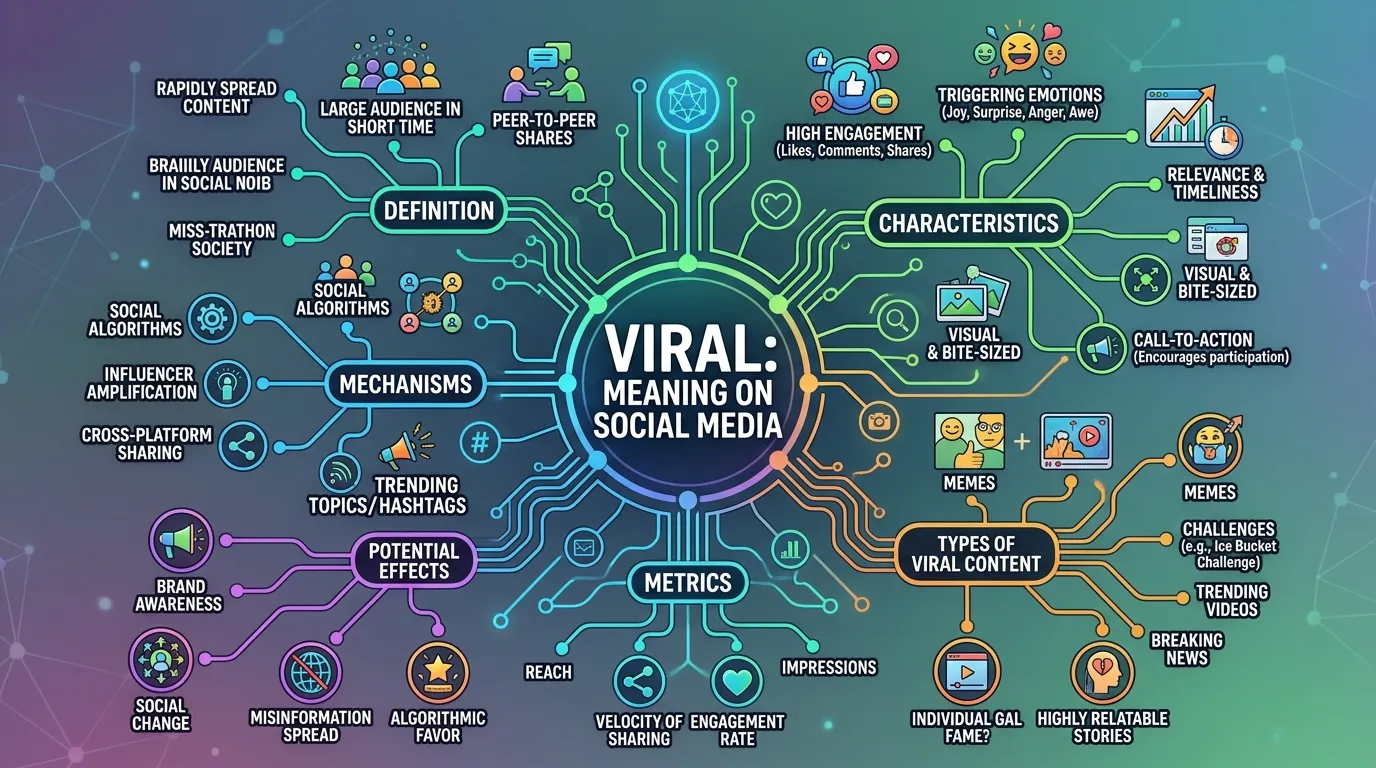
The term viral on social media refers to content that spreads rapidly from person to person through shares, likes, comments, reposts, and recommendations.
Just as a biological virus spreads from one individual to another, viral content travels quickly across social networks and reaches a massive audience in a short period.
Simple Definition
Viral meaning social media: Content that gains extraordinary popularity and visibility through rapid online sharing.
Examples include:
- Viral videos
- Viral memes
- Viral challenges
- Viral tweets
- Viral Instagram reels
- Viral TikToks
- Viral hashtags
When something goes viral, it can reach thousands, millions, or even billions of people.
The Origin of the Term “Viral”
The word “viral” existed long before social media.
Originally, it described the spread of a biological virus. As the internet evolved, marketers and researchers noticed that certain messages spread similarly from one person to another.
By the early 2000s, terms like:
- Viral marketing
- Viral videos
- Viral campaigns
became popular.
Today, the phrase “going viral” is one of the most commonly used expressions online.
How Does Content Go Viral?
Many people think viral success is random, but there are usually specific factors involved.
Key Elements of Viral Content
| Factor | Why It Matters |
|---|---|
| Emotion | People share content that makes them laugh, cry, or feel inspired |
| Relatability | Users connect with familiar experiences |
| Timing | Trending topics attract more attention |
| Simplicity | Easy-to-understand content spreads faster |
| Entertainment | Fun content encourages sharing |
| Surprise | Unexpected moments grab attention |
| Social Value | People share content that makes them look informed or funny |
When several of these elements combine, content has a higher chance of becoming viral.
What Happens When a Post Goes Viral?
When a post goes viral, engagement increases dramatically.
Typical signs include:
- Thousands of likes
- Massive sharing activity
- Increased comments
- Media coverage
- Trending hashtags
- Rapid follower growth
- Algorithmic promotion
For creators, viral success can happen within hours.
A video posted in the morning might accumulate millions of views by the evening.
Examples of Viral Content on Social Media
Viral Memes
Memes are among the most common forms of viral content.
Examples include:
- Funny reaction images
- Trending joke formats
- Internet catchphrases
- Relatable workplace humor
People share memes because they’re quick to consume and easy to understand.
Viral Challenges
Challenges often spread rapidly because they encourage participation.
Examples:
- Dance challenges
- Fitness challenges
- Ice Bucket Challenge
- Transformation challenges
Users join the trend and create their own versions.
Viral Videos
Short-form video platforms have dramatically increased viral potential.
Popular viral videos often include:
- Funny moments
- Surprising events
- Emotional stories
- Life hacks
- Animal clips
- Dance performances
Viral Hashtags
A hashtag can become viral when many users begin posting around the same topic.
Examples:
- Seasonal trends
- Social movements
- Global events
- Entertainment discussions
Why Do People Share Viral Content?
Human psychology plays a major role.
People often share content because it:
Makes Them Laugh
Humor remains one of the strongest drivers of sharing.
Helps Express Identity
Users share content that reflects their personality, beliefs, or interests.
Creates Connection
Sharing allows people to relate to friends, family, and communities.
Provides Value
Educational or useful information often spreads widely.
Triggers Emotion
Strong emotions encourage engagement.
Research consistently shows that emotional content receives higher sharing rates than neutral content.
The Role of Social Media Algorithms
Social media platforms use algorithms to determine which content gets shown to users.
Popular platforms analyze:
- Watch time
- Likes
- Shares
- Comments
- Saves
- Click-through rates
When a post receives strong engagement quickly, algorithms may show it to more people.
This creates a snowball effect:
- Initial engagement occurs.
- Algorithm boosts visibility.
- More people interact.
- Visibility increases further.
- Content potentially goes viral.
This cycle is a major reason viral content spreads so quickly.
Viral Meaning Across Different Platforms
TikTok
TikTok is perhaps the most famous platform for viral content.
Factors include:
- Short videos
- Powerful recommendation system
- Trend participation
- Popular sounds
Instagram viral content often includes:
- Reels
- Trending audio
- Memes
- Visual storytelling
On Facebook, viral posts frequently involve:
- Emotional stories
- Community discussions
- News content
- Inspirational messages
YouTube
Viral YouTube content usually gains traction through:
- Recommendations
- Search traffic
- Viewer retention
- Shares
X (Twitter)
On X, virality often comes from:
- Trending topics
- Humor
- Breaking news
- Clever commentary
Viral Marketing Explained
Businesses frequently try to create viral campaigns.
What Is Viral Marketing?
Viral marketing is a strategy designed to encourage people to share content voluntarily.
The goal is to generate massive exposure without relying entirely on paid advertising.
Benefits include:
- Increased brand awareness
- Lower marketing costs
- Wider audience reach
- Enhanced credibility
Successful viral marketing campaigns often feel authentic rather than promotional.
Benefits of Going Viral
Going viral can create significant opportunities.
For Content Creators
Benefits include:
- More followers
- Increased visibility
- Brand partnerships
- Higher engagement
- Monetization opportunities
For Businesses
Advantages include:
- Brand recognition
- Website traffic
- Customer growth
- Product awareness
- Media attention
For Organizations
Nonprofits and community groups can use viral content to:
- Raise awareness
- Promote causes
- Encourage donations
- Drive participation
Downsides of Going Viral
Virality isn’t always positive.
Increased Scrutiny
A viral post can attract criticism and negative attention.
Privacy Concerns
Unexpected fame may expose personal information.
Short-Term Attention
Many viral moments fade quickly.
Misinterpretation
Content can be taken out of context.
Online Harassment
Some viral creators experience trolling or unwanted attention.
For this reason, not every viral experience is beneficial.
Common Misconceptions About Viral Content
Myth 1: Viral Means Millions of Views
Not necessarily.
A post can be considered viral within a specific community even without millions of views.
Myth 2: Virality Is Pure Luck
Luck helps, but strategy, timing, and quality matter significantly.
Myth 3: Every Viral Post Creates Success
Many creators go viral once and never replicate that success.
Myth 4: Only Influencers Go Viral
Anyone can create viral content.
Ordinary users frequently produce posts that gain massive reach.
Myth 5: Viral Content Must Be Funny
While humor helps, educational, emotional, inspirational, and informative content can also go viral.
Characteristics of Highly Shareable Content
Content tends to spread more easily when it is:
- Entertaining
- Emotional
- Informative
- Easy to understand
- Visually appealing
- Timely
- Authentic
- Relevant
The more shareable a piece of content is, the greater its viral potential.
Related Social Media Terms
If you’re learning about viral content, you may also encounter these terms.
Trending
Content currently receiving significant attention.
Engagement
Interactions such as likes, comments, shares, and saves.
Reach
The number of unique users who see content.
Impressions
The total number of times content is displayed.
Influencer
A person with the ability to affect audience behavior online.
User-Generated Content (UGC)
Content created by regular users rather than brands.
Social Proof
Evidence that other people approve of or engage with content.
Tips for Creating Viral Content
Although no formula guarantees virality, these practices can improve your chances.
Understand Your Audience
Know what interests, entertains, or helps your followers.
Follow Trends
Pay attention to:
- Popular sounds
- Trending hashtags
- Current discussions
Focus on Strong Hooks
Capture attention in the first few seconds.
Encourage Sharing
Ask questions and create content people want to send to friends.
Use High-Quality Visuals
Good production quality improves engagement.
Be Authentic
Genuine content often outperforms overly polished material.
Post Consistently
More content creates more opportunities for viral success.
Real-World Example of Virality
Imagine someone posts a funny video of their pet doing something unexpected.
Initially:
- Friends watch it.
- They share it with others.
- More users engage.
- The platform promotes it.
Within days, the video accumulates millions of views.
This chain reaction perfectly illustrates the viral meaning social media users experience daily.
Frequently Asked Questions (FAQs)
1. What does viral mean in social media?
Viral means content spreads rapidly online through shares, likes, comments, reposts, and recommendations, reaching a large audience in a short time.
2. How many views make a post viral?
There is no fixed number. Viral content can range from thousands to millions of views depending on the platform and audience size.
3. Can anyone go viral on social media?
Yes. Ordinary users, businesses, influencers, and organizations can all create viral content.
4. Why do some posts go viral?
Posts often go viral because they trigger strong emotions, provide value, entertain people, or align with current trends.
5. Is going viral always a good thing?
Not always. Viral attention can bring opportunities, but it can also lead to criticism, privacy concerns, and unwanted attention.
6. What platforms are best for viral content?
TikTok, Instagram, YouTube, Facebook, and X are among the most common platforms where viral content spreads quickly.
7. Can businesses benefit from viral content?
Yes. Viral content can increase brand awareness, drive traffic, attract customers, and improve visibility.
Conclusion
Understanding the viral meaning social media users talk about is essential in today’s digital landscape. Simply put, viral content spreads rapidly through online sharing and attracts significant attention across social platforms. Whether it’s a funny meme, a powerful story, a trending challenge, or an educational video, virality is driven by human emotions, engagement, and platform algorithms.
While going viral can boost visibility, grow audiences, and create opportunities, it is not guaranteed and shouldn’t be the sole goal of content creation. Instead, focus on producing valuable, authentic, and engaging content that resonates with your audience.
Remember these key takeaways:
- Viral content spreads quickly through shares and engagement.
- Emotion, relevance, and timing play major roles.
- Social media algorithms help amplify popular content.
- Anyone can create viral content.
- Long-term success comes from consistency, not just one viral moment.
By understanding how virality works and applying smart content strategies, you’ll be better equipped to navigate the ever-changing world of social media and online trends.