In today’s world of texting, TikTok, Snapchat, and online gaming, slang changes fast. One word that appears everywhere is “cap.” If you’ve seen phrases like “that’s cap,” “no cap,” or “stop capping,” you may wonder what they actually mean.
Understanding the cap meaning in text is important because this slang is widely used in social media conversations, memes, online communities, and everyday texting. Whether you’re chatting with friends, reading comments online, or trying to keep up with Gen Z slang, knowing what “cap” means helps you communicate naturally and avoid confusion.
In this guide, you’ll learn:
- The exact meaning of “cap” in text
- Where the slang came from
- What “no cap” means
- Examples of how people use it
- Different meanings in different situations
- Similar slang words and phrases
- Common misunderstandings
- FAQs and texting tips
Let’s break it all down in a simple and fun way.
What Does “Cap” Mean in Text?
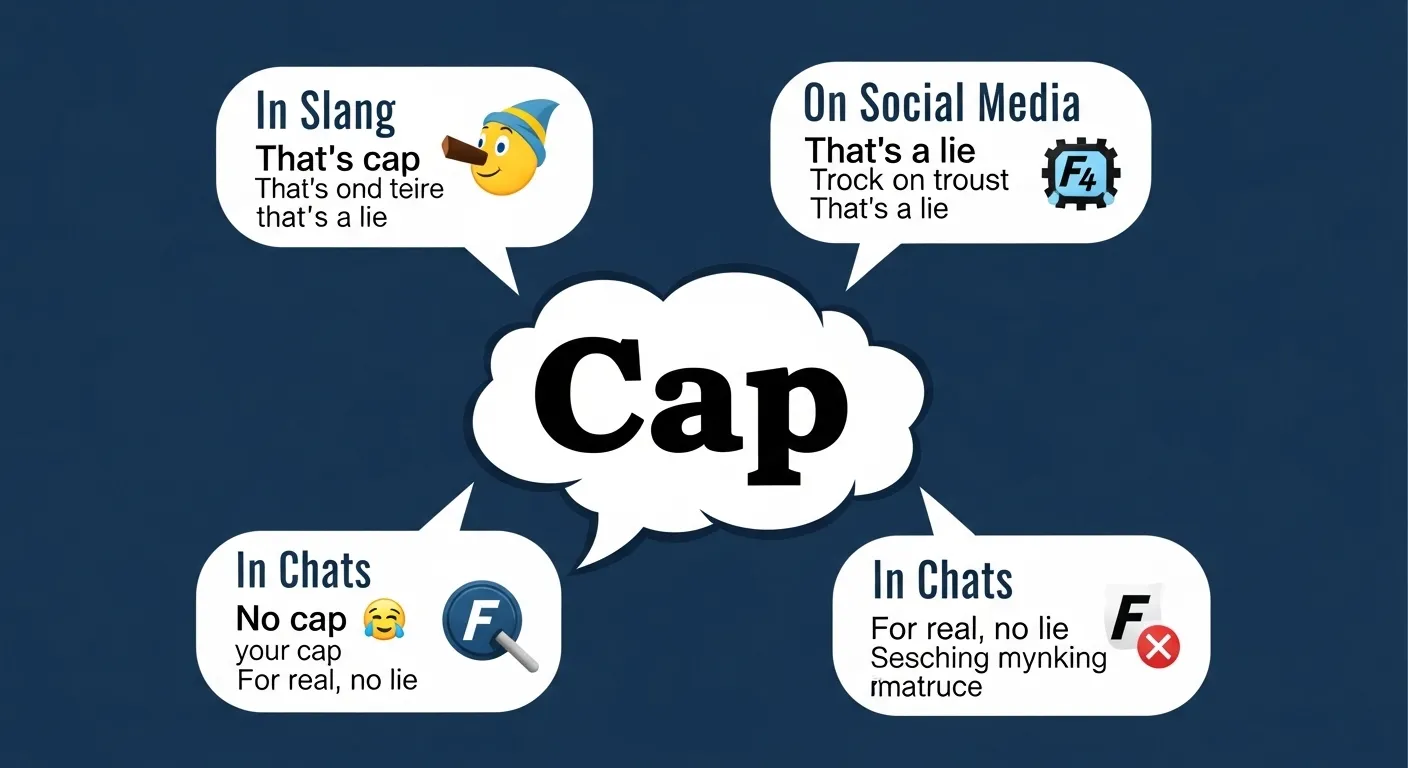
The word “cap” in texting slang means a lie, exaggeration, or something false.
When someone says:
- “That’s cap”
they mean: - “That’s not true.”
- “You’re lying.”
- “I don’t believe you.”
Simple Definition
| Term | Meaning |
|---|---|
| Cap | A lie or false statement |
| No Cap | Telling the truth / being honest |
| Capping | Lying or exaggerating |
The slang is especially popular on:
- TikTok
- Snapchat
- Twitter/X
- YouTube comments
- Gaming chats
- Discord servers
Where Did the Word “Cap” Come From?
The slang term “cap” has roots in African American Vernacular English (AAVE). It became more mainstream through hip-hop culture, rap music, and social media platforms.
Originally, “capping” meant:
- bragging
- exaggerating
- showing off
- lying
Over time, younger internet users shortened it to simply:
- “cap”
- “no cap”
Popular rap artists and influencers helped spread the phrase online, making it one of the most recognized internet slang expressions today.
What Does “No Cap” Mean?
One of the most common phrases related to this slang is “no cap.”
Meaning of “No Cap”
“No cap” means:
- “I’m being honest.”
- “No lie.”
- “For real.”
- “Seriously.”
It’s often used to emphasize truthfulness.
Examples
- “That pizza was the best thing I’ve ever eaten, no cap.”
- “No cap, this movie made me cry.”
- “He’s actually good at basketball, no cap.”
Think of it as the opposite of lying.
Examples of “Cap” in Text Conversations
Understanding slang becomes easier with real examples.
Example 1: Calling Out a Lie
Person A:
“I can run faster than anyone in school.”
Person B:
“Cap.”
Meaning:
Person B does not believe the statement.
Example 2: Being Honest
Friend:
“This game is addictive.”
You:
“No cap.”
Meaning:
You completely agree.
Example 3: Exaggeration
Someone:
“I studied for 15 hours straight.”
Reply:
“Stop capping.”
Meaning:
“Stop exaggerating or lying.”
Different Ways “Cap” Is Used Online
The word can appear in multiple forms depending on the situation.
1. “That’s Cap”
This directly means:
- “That’s false.”
- “That’s a lie.”
Example
“That story is cap.”
2. “No Cap”
Means:
- honest
- truthful
- genuine
Example
“No cap, I really miss summer vacation.”
3. “Stop Capping”
Used when someone is exaggerating.
Example
“You did NOT meet that celebrity. Stop capping.”
4. “Big Cap”
Means a very obvious lie.
Example
“Saying pineapple belongs on pizza is big cap.”
Why Is “Cap” So Popular?
Several reasons explain why the phrase exploded online.
Short and Easy
Internet slang spreads quickly when words are short and catchy.
“Cap” is:
- easy to type
- simple to remember
- versatile
Meme Culture
Memes often use:
- “No cap”
- “That’s cap”
- reaction videos
This helped younger users adopt the phrase rapidly.
Influencer and Rap Culture
Many musicians and influencers regularly use the slang in:
- songs
- livestreams
- interviews
- social media captions
This gave the term mainstream popularity.
Cap Meaning on TikTok
TikTok helped make the phrase globally popular.
On TikTok:
- “cap” often appears in comments
- creators use it in comedy videos
- people use “no cap” in storytelling
Common TikTok Examples
- “Bro that’s cap 😂”
- “No cap this hack actually works.”
- “Big cap energy.”
TikTok slang evolves quickly, but “cap” has remained popular for years.
Cap Meaning on Snapchat
On Snapchat, the word usually appears in casual chats.
Examples
- “You’re capping rn.”
- “No cap I’m tired.”
- “That’s cap lol.”
Because Snapchat conversations are informal, slang like this feels natural.
Cap Meaning in Gaming
Gamers frequently use “cap” during multiplayer matches and voice chats.
Gaming Examples
- “You didn’t really beat that boss solo. Cap.”
- “No cap, that was the best play.”
- “He’s capping about his rank.”
Gaming communities love fast slang terms because they keep conversations quick and expressive.
Cap Meaning in Gen Z Slang
The term is heavily associated with Gen Z language.
Gen Z often uses slang to:
- express humor
- react quickly
- create identity online
- sound casual and relatable
“Cap” fits perfectly because it’s:
- flexible
- funny
- expressive
Is “Cap” Always Negative?
Not necessarily.
Sometimes it’s playful rather than serious.
Friendly Teasing
Friends may jokingly say:
- “Cap.”
- “You’re capping.”
- “Big cap.”
Even if they know the person is exaggerating for humor.
Tone matters a lot in texting.
Common Misunderstandings About “Cap”
Many people misunderstand the slang at first.
Misunderstanding 1: Thinking It Means a Hat
Traditionally, a “cap” is a hat. But in internet slang, the meaning is completely different.
Traditional Meaning
“I bought a baseball cap.”
Slang Meaning
“That’s cap.”
Context determines the meaning.
Misunderstanding 2: Assuming “No Cap” Means “No Hat”
Literal translations can confuse non-native speakers.
“No cap” has nothing to do with clothing.
It simply means:
- no lie
- honestly
- seriously
Misunderstanding 3: Overusing It
Some people try too hard to sound trendy by adding “cap” everywhere.
Natural use is best.
Synonyms and Similar Slang Words
Here are some related internet slang terms.
| Slang | Meaning |
|---|---|
| No lie | Truthfully |
| For real | Seriously |
| Fake | False |
| BS | Nonsense |
| Facts | True statement |
| Sus | Suspicious |
| Legit | Genuine |
| Fr | For real |
| Bet | Okay / agreed |
These phrases often appear together in online conversations.
Cap vs No Cap: What’s the Difference?
This is one of the biggest points of confusion.
| Phrase | Meaning |
|---|---|
| Cap | Lie or false statement |
| No Cap | Truthful statement |
Example
- “I’m the best singer alive.” → Possibly cap
- “That test was hard, no cap.” → Honest opinion
How to Use “Cap” Correctly
If you want to sound natural online, use it casually.
Good Usage
- “That’s cap.”
- “No cap, this food is amazing.”
- “He’s capping.”
Bad Usage
- Using it in professional emails
- Overusing it in every sentence
- Using it without understanding context
When You Should Avoid Using “Cap”
Although slang is fun, it doesn’t fit every situation.
Avoid It In:
- job interviews
- academic writing
- business emails
- formal conversations
- professional presentations
Example
❌ “Your report is cap.”
✅ “I think the information may be inaccurate.”
Professional communication requires clearer language.
How Older Generations React to “Cap”
Millennials, Gen X, and older adults sometimes find Gen Z slang confusing.
Common reactions include:
- misunderstanding the phrase
- thinking it refers to hats
- asking what “no cap” means
Language constantly changes, so this is normal.
Why Slang Like “Cap” Evolves So Quickly
Internet culture moves extremely fast.
Slang changes because:
- trends spread rapidly
- memes influence language
- communities create inside jokes
- social media rewards catchy phrases
Some slang disappears quickly, but “cap” has stayed popular longer than many other trends.
Examples of “Cap” in Social Media Posts
Here are realistic examples you might see online.
“Best burger in town, no cap 🍔”
Twitter/X
“You said you’d sleep early. That’s cap.”
TikTok Comment
“No cap this tutorial actually helped.”
Discord
“Bro is capping hard.”
Is “Cap” Offensive?
Usually, no.
However, tone matters.
Calling someone a liar aggressively can create conflict.
Friendly Version
“That’s cap 😂”
Rude Version
“You’re always capping.”
The second example feels more personal and insulting.
The Psychology Behind Slang Trends
People use slang for social reasons.
Slang Helps People:
- feel connected
- express identity
- belong to groups
- communicate quickly
- sound modern
Using phrases like “cap” can signal familiarity with internet culture.
Popular Variations of “Cap”
Internet users constantly remix slang.
Common Variations
- Big cap
- Hard cap
- Stop capping
- No 🧢 (cap emoji style)
- Cap alert
The cap emoji 🧢 is often used to symbolize lying.
Example
“You totally finished that project in one hour? 🧢”
How Brands and Influencers Use “Cap”
Companies sometimes use internet slang to appear relatable to younger audiences.
Examples
- “This discount is no cap.”
- “No cap, our new flavor is amazing.”
However, forced slang can sound awkward if brands overdo it.
Is “Cap” Still Trending?
Yes, although internet slang changes rapidly.
“Cap” remains common because:
- it’s easy to understand
- it works in many situations
- it became deeply embedded in meme culture
Even as new slang appears, “cap” continues to stay relevant online.
Quick Cheat Sheet for “Cap” Slang
| Phrase | Meaning |
|---|---|
| Cap | Lie |
| No cap | Truth |
| Capping | Lying |
| Stop capping | Stop lying |
| Big cap | Huge lie |
Tips for Understanding Internet Slang
If you struggle with modern slang, try these tips.
1. Watch Context
The surrounding conversation usually reveals the meaning.
2. Observe Emojis
Emojis often clarify tone.
Example:
- 🧢 = lying
- 😂 = joking
3. Follow Social Media Trends
TikTok and Instagram often introduce new slang first.
4. Don’t Overthink It
Most slang is meant to be casual and fun.
Frequently Asked Questions (FAQs)
What does “cap” mean in texting?
“Cap” means a lie, false statement, or exaggeration.
What does “no cap” mean?
“No cap” means someone is telling the truth or being completely honest.
Is “cap” Gen Z slang?
Yes, it’s strongly associated with Gen Z and internet culture, although people of many ages use it now.
Why do people use the cap emoji 🧢?
The cap emoji symbolizes lying or exaggeration because of the slang meaning of “cap.”
Is “cap” rude?
Usually not. It’s often playful or humorous. However, tone and context can make it sound insulting.
Can I use “cap” in formal writing?
No. It’s best for casual conversations, texting, and social media.
What is the opposite of “cap”?
The opposite is “no cap,” which means honesty or truthfulness.
Final Thoughts
The slang word “cap” has become one of the most recognizable expressions in modern internet culture. Whether you see it on TikTok, Snapchat, gaming chats, or memes, the phrase usually refers to lying, exaggerating, or saying something false.
Meanwhile, “no cap” means the opposite — being honest or serious.
Here are the key takeaways:
- Cap = lie
- No cap = truth
- The slang became popular through hip-hop and social media
- It’s widely used by Gen Z and online communities
- Context and tone are important
- It’s best used casually, not professionally
Understanding internet slang helps you stay connected with modern communication trends and online conversations. And now, the next time someone says “that’s cap,” you’ll know exactly what they mean — no cap!